Ad Tech|Index 04
AI Decision-Making Is Only As Good As Its Data, Marketers Know It
Despite increasing reliance on AI for marketing decisions, marketers acknowledge that poor CRM data is undermining revenue measurement and reporting.
- Via
- ADVERTISE TOKYO Editors
- Dateline
- August 28, 2026
- Date
- August 28, 2026
- Time
- 6 min read
Source
MarTech.org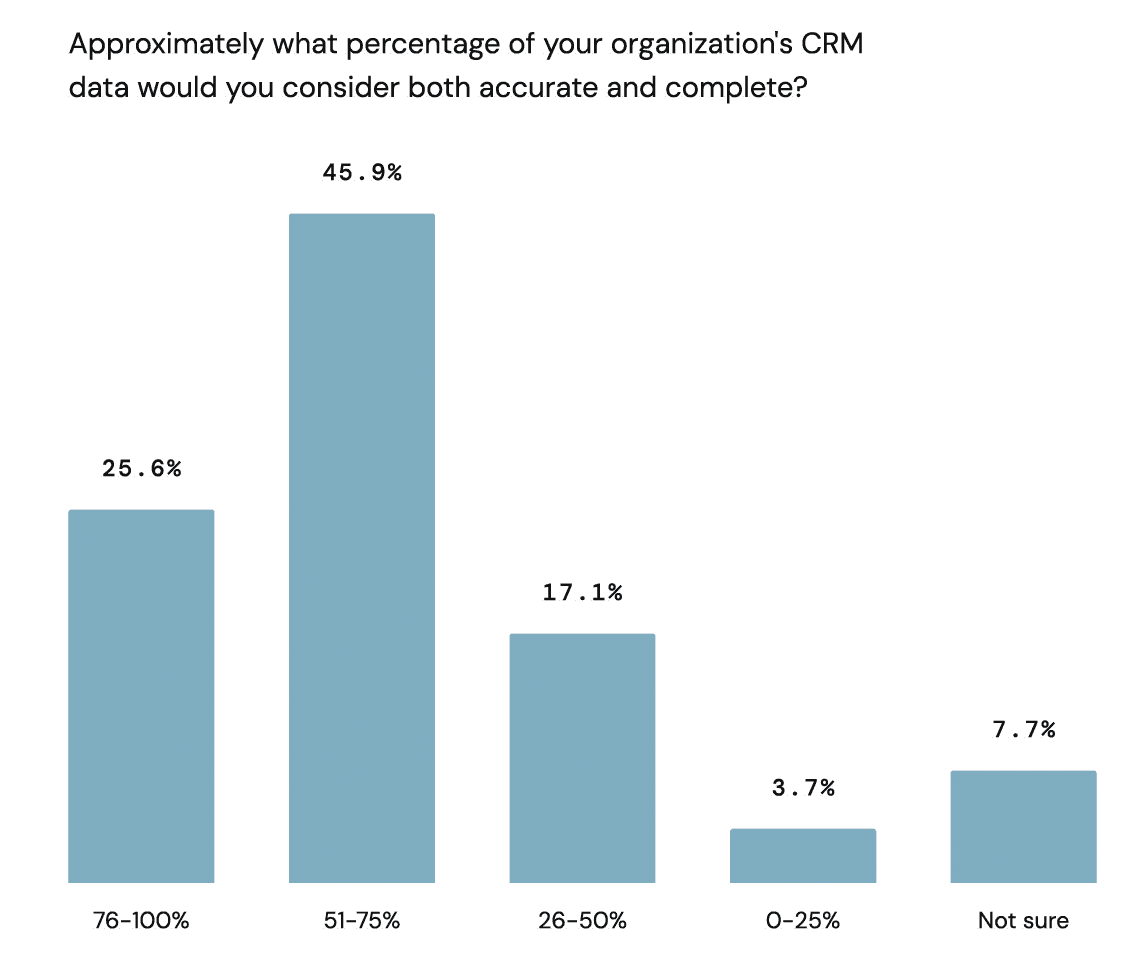
Tagline
AI needs better data. Marketers know it.
Who & For What
For a Tokyo-based performance marketer or a brand manager evaluating AI tools, this highlights the critical need for data hygiene before deployment.
vs. Japan Play
This is a universal challenge, not specific to any Japanese vendor, but it directly impacts the effectiveness of any AI-driven optimization layer, whether it's on LINE Ads, Yahoo! JAPAN, or bespoke Dentsu/Hakuhodo platforms.
Tokyo Take
The challenge of flawed AI data extends beyond Earth, offering a crucial lesson for future off-world settlements where data integrity will be existential.
Marketers globally are increasingly entrusting artificial intelligence systems with significant decision-making authority, from campaign optimization to customer segmentation. This accelerating trend, however, is unfolding against a backdrop of widespread internal acknowledgment that the foundational data fueling these AI models—particularly within CRM platforms—is often insufficient for accurate revenue measurement and strategic reporting. The enthusiasm for AI adoption frequently outpaces the readiness of underlying data infrastructure.
This critical disconnect creates a fundamental paradox. Advanced AI models, regardless of their sophisticated algorithms or machine learning capabilities, are inherently limited by the quality of their input data. If the foundation is flawed, the insights, predictions, and automated actions derived from it will inevitably be compromised. This directly impacts core marketing functions: misallocating budget, optimizing campaigns based on faulty premises, and ultimately undermining the very ROI and efficiency AI is championed to deliver.
The problem extends far beyond simple typographical errors or missing fields. It encompasses a spectrum of data hygiene issues, including incomplete customer profiles, outdated contact information, inconsistent data formats across disparate departmental systems, and a lack of clear, unified attribution pathways that trace customer interactions accurately. Many organizations, driven by competitive pressure or perceived innovation, have integrated new AI tools into their sales and marketing stacks without first conducting the painstaking, but crucial, work of addressing these foundational data integrity problems.
Marketers are giving AI more authority even as bad CRM data undermines revenue measurement, reporting, and the decisions AI makes.
Consequently, AI-driven recommendations—whether for personalized content delivery, lead scoring, dynamic pricing, or programmatic media buying optimization—are often based on an incomplete, fragmented, or even distorted view of the customer journey. This means a personalized email might reference outdated preferences, a lead score could misprioritize a high-value prospect, or an ad spend allocation might chase phantom conversions. Marketers are acutely aware of this underlying vulnerability, yet the impetus to leverage AI technologies often overshadows the prerequisite investment in comprehensive data governance and cleanup.
The advertising and marketing technology industry thus faces a pivotal choice. It can continue to layer increasingly sophisticated AI on top of a weak, inconsistent data foundation, leading to what some might call "garbage in, gospel out." Alternatively, it must commit to significant, sustained investment in data quality initiatives. This requires not just technological solutions—such as CDPs (Customer Data Platforms) or data enrichment services—but also profound organizational process changes, robust data governance policies, and a cultural shift towards prioritizing data stewardship across all departments.
Without this foundational commitment, the transformative promise of AI in marketing risks remaining largely unfulfilled. AI systems will continue to generate outputs that, rather than reflecting external market realities or optimizing for genuine customer behavior, instead mirror the internal inconsistencies and chaos of an organization's own data landscape. The true value of AI will only be unlocked when it operates on data that is not just abundant, but also accurate, timely, and consistently structured.
Related Stories

Ad Tech
Google Adtech Divestiture Off, Publishers Remain Unfazed
Years of antitrust pressure on Google's advertising business culminate in no forced breakup, a decision surprisingly met with calm by publishers who have diversified their revenue streams.

Ad Tech
Beyond Third-Party Signals: Marketers Focus on Owned Data
As the industry navigates the decline of third-party cookies and increased privacy regulations, the focus shifts to leveraging first-party data for sustained performance.

Ad Tech
AI Shopping Tools Prompt Higher Consumer Spending
Despite aiming for savings, 2026 back-to-school shoppers using AI tools spent more than their non-AI counterparts, suggesting a complex interplay between technology, value perception, and purchase behavior.