Brand|Index 04
B2B Content's New Imperative: From Volume to Utility
As AI streamlines content creation, B2B marketers must pivot towards building resources that actively help buyers solve problems and make decisions, moving beyond mere information delivery.
- Via
- ADVERTISE TOKYO Editors
- Dateline
- Tokyo, September 10, 2026
- Date
- September 10, 2026
- Time
- 3 min read
Source
MarTech.org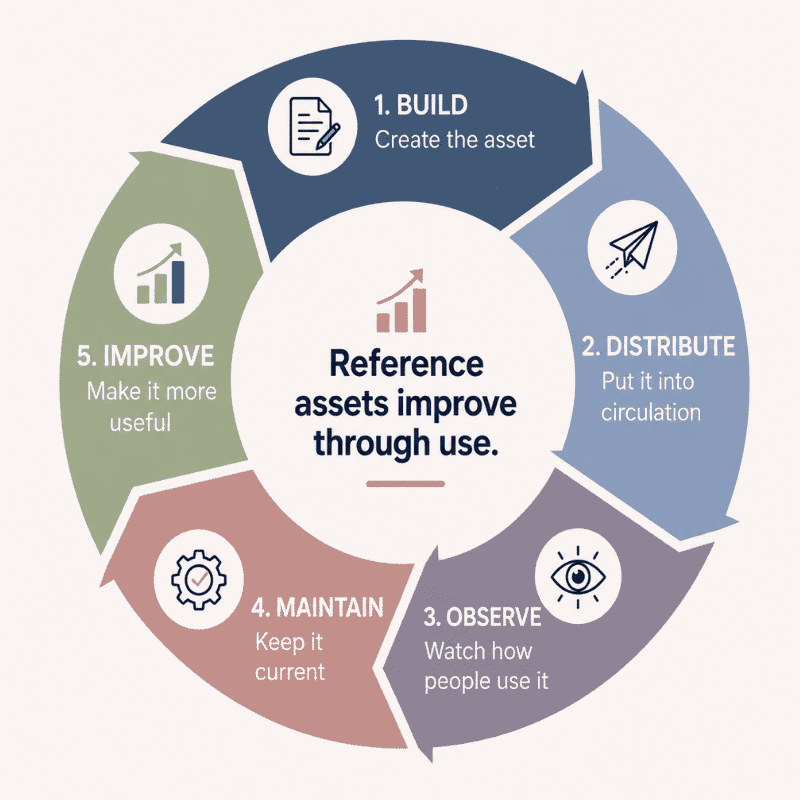
Tagline
B2B content shifts from volume to utility.
Who & For What
For a Tokyo-based B2B SaaS marketing manager or an agency content strategist briefing an enterprise client, this redefines how to conceive and measure content beyond traditional lead generation.
vs. Japan Play
This challenges the common Japanese B2B content playbook of detailed product specification sheets and event reports, pushing for interactive tools that embed directly into the buyer's workflow rather than just informing them.
Tokyo Take
While Japanese B2B buyers value detailed information, the shift to interactive, problem-solving content is nascent. Many Japanese brands still rely on sales teams for direct enablement, and agencies like Dentsu or Hakuhodo might need to invest more in instructional design capabilities for their B2B content divisions.
The recent discussion on MarTech.org highlights a necessary evolution in B2B content strategy. As artificial intelligence tools streamline the creation of marketing collateral, the focus for B2B marketers must shift from sheer output to tangible utility. The challenge is no longer *how* to produce content, but *what kind* of content genuinely serves the buyer.
The proliferation of AI-generated text and imagery risks saturating the market with generic, undifferentiated material. This lowers the cost and effort of content creation, but also diminishes its perceived value if it merely reiterates common knowledge. The new imperative is to develop resources that directly aid a buyer's decision-making process, problem-solving, or actionable implementation.
This means moving beyond traditional thought leadership pieces, whitepapers, or standard product brochures. Instead, B2B content should function as practical tools. Examples include interactive calculators for ROI estimation, customizable templates for proposals or project plans, diagnostic quizzes to identify specific pain points, or step-by-step implementation guides. The goal is to embed the brand within the buyer's workflow, making the content indispensable.
"build resources that help buyers make decisions, solve problems, and take action."
This approach contrasts with the volume-driven content strategies of the past decade, where SEO rankings and content calendars often prioritized quantity. While foundational content remains necessary, the competitive edge now lies in enablement. This aligns with broader trends in product-led growth and sales enablement, where the product or its surrounding resources become the primary driver of engagement and conversion.
For content teams, this implies a shift in skill sets, moving towards instructional design, interactive development, and deeper understanding of customer workflows. Budget allocation may also reorient from pure content creation to the development of robust, interactive assets. Measuring success will increasingly involve metrics beyond page views or downloads, focusing instead on user engagement with tools, repeat usage, or direct impact on sales cycle progression.
Related Stories

Brand
Hilton's Long-Serving CMO Steps Down, Signaling Potential Strategic Shift
Mark Weinstein's departure after 16 years as global CMO at Hilton opens questions about the hospitality giant's future marketing direction and global brand priorities.

Brand
CMOs Face AI Build-or-Buy Dilemma
As AI commoditizes routine marketing tasks, the strategic focus shifts to proprietary workflows.

Brand
CMOs Reclaim Business Leadership, Moving Beyond Traditional Marketing Silos
Marketing leaders are increasingly expected to drive direct P&L contributions and integrate their function into core business strategy, shifting from brand custodians to revenue architects.