Ad Tech|Index 04
Martech Stacks: Context Outweighs Feature Count
New research reveals that a 'best-in-class' martech stack is not about maximum features but strategic fit and execution, challenging the vendor-driven pursuit of ever-larger platforms.
- Via
- ADVERTISE TOKYO Editors
- Dateline
- August 31, 2026
- Date
- August 31, 2026
- Time
- 5 min read
Source
MarTech.org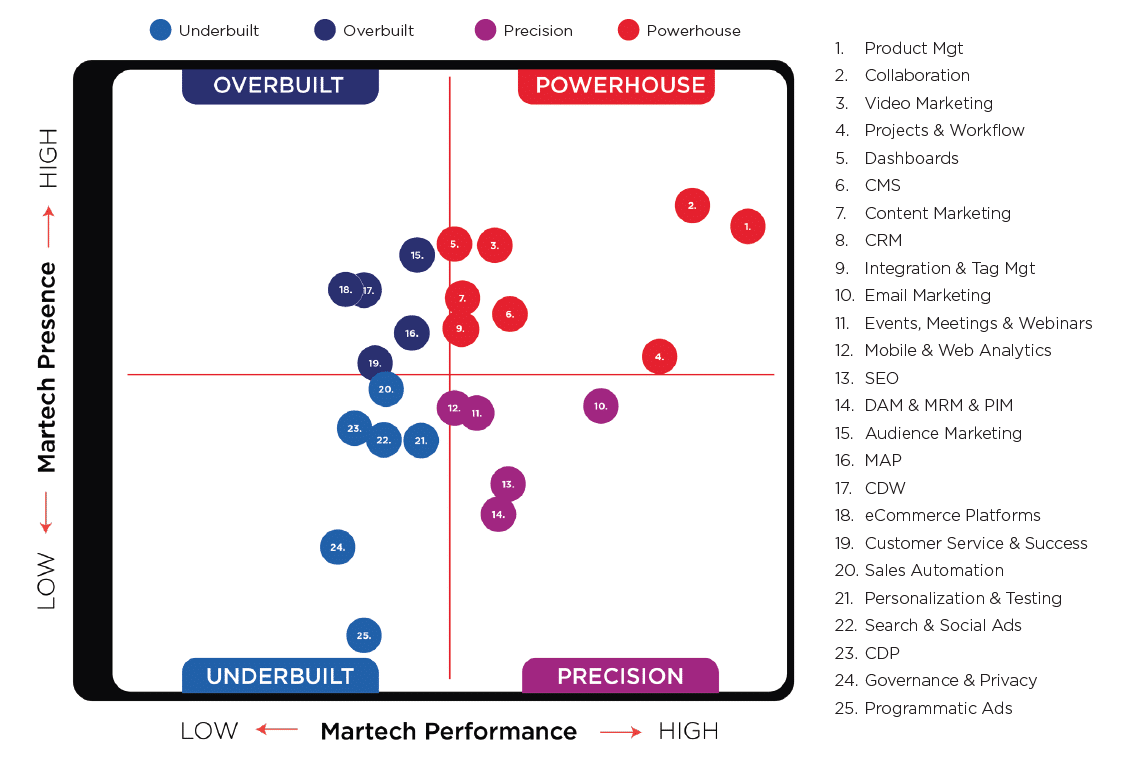
Tagline
Martech stack success hinges on context, not size.
Who & For What
For a Tokyo-based CMO or adtech lead evaluating their current martech stack, seeking to optimize ROI by focusing on strategic fit over feature count.
vs. Japan Play
This challenges the common approach where Japanese agencies or internal teams might default to integrating every available module from a major platform like Salesforce Marketing Cloud or Adobe Experience Cloud, without rigorous contextual fit analysis.
Tokyo Take
For Tokyo marketers, this reinforces the need to prioritize integration and execution over feature accumulation, especially given common challenges of legacy systems and vendor lock-in in the Japanese market. It suggests local solutions like KARTE or Money Forward Ads might offer more tailored value than sprawling global stacks for specific segments.
A recent analysis of 953 martech stacks challenges the industry's long-held assumption that more features or a larger technology footprint automatically translate to superior marketing outcomes. The research, published by MarTech.org, suggests that "best-in-class" martech is not a universal standard but rather deeply dependent on a business's specific context, strategic objectives, and operational capabilities.
This finding pushes back against the common vendor narrative that often promotes extensive feature sets and ever-expanding platforms. Instead, the study indicates that efficient execution, thoughtful integration, and a clear alignment with business goals are more critical drivers of success than the sheer volume of tools deployed. Marketers frequently invest in comprehensive suites, only to find many modules underutilized or poorly integrated into their existing workflows.
The core insight is that an optimal martech stack for a rapidly scaling startup will look fundamentally different from one serving a large, established enterprise. Factors such as team size, budget constraints, target audience complexity, and the specific growth stage of a company should dictate technology choices. For some, a lean, tightly integrated set of essential tools provides maximum agility and measurable impact. For others, specialized, niche solutions are necessary to address unique market demands.
This perspective encourages marketers to move beyond a feature-checklist approach. It highlights that the value derived from martech investments often stems less from the advertised capabilities of individual tools and more from how effectively those tools are implemented, managed, and integrated to serve a cohesive strategy. Poor data hygiene, fragmented workflows, and a lack of internal expertise can nullify the potential of even the most advanced platforms.
"Best-in-class martech depends on your business context."
What comes next for marketers is a strategic imperative to audit existing martech investments. This means assessing not just what tools are owned, but which ones are actively used, what value they deliver, and whether their functionality genuinely aligns with current business priorities. The focus should shift from acquiring new technology to optimizing the current stack for better integration, data flow, and ultimately, demonstrable ROI.
Related Stories

Ad Tech
Google Adtech Divestiture Off, Publishers Remain Unfazed
Years of antitrust pressure on Google's advertising business culminate in no forced breakup, a decision surprisingly met with calm by publishers who have diversified their revenue streams.

Ad Tech
Beyond Third-Party Signals: Marketers Focus on Owned Data
As the industry navigates the decline of third-party cookies and increased privacy regulations, the focus shifts to leveraging first-party data for sustained performance.

Ad Tech
AI Shopping Tools Prompt Higher Consumer Spending
Despite aiming for savings, 2026 back-to-school shoppers using AI tools spent more than their non-AI counterparts, suggesting a complex interplay between technology, value perception, and purchase behavior.