Ad Tech|Index 02
Measuring Brand Presence in Generative AI
As clients increasingly demand data on their brand's visibility within generative AI platforms like ChatGPT, agencies face a new measurement challenge. Traditional SEO metrics fall short, necessitating a shift in how brand presence is tracked and optimized.
- Via
- ADVERTISE TOKYO Editors
- Dateline
- TOKYO, July 24, 2026
- Date
- July 24, 2026
- Time
- 6 min read
Source
MarTech.org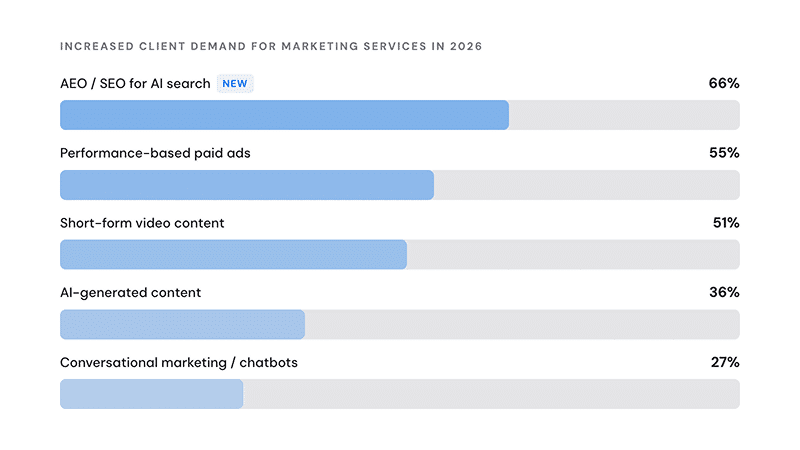
Tagline
Clients want AI visibility, agencies lack data.
Who & For What
For a Tokyo-based brand manager or agency digital strategist tasked with demonstrating brand visibility beyond traditional search, this highlights an emerging area for content optimization and new measurement tool evaluation.
vs. Japan Play
This differs from standard Japanese SEO/SEM practices by focusing on AI model ingestion and output rather than keyword rankings or ad placements, requiring a shift in how content authority and brand messaging are perceived by algorithms.
Tokyo Take
While global brands push for AI visibility, most Japanese consumer behavior for brand discovery still favors traditional search and official channels. For now, focus on optimizing foundational content for LLM ingestion, as dedicated Japanese AI measurement tools are still nascent and consumer demand for AI-driven brand discovery remains moderate.
By mid-2026, marketing agencies globally are routinely fielding a new client request: how visible is our brand within generative AI platforms, particularly ChatGPT. This shift reflects a growing consumer reliance on AI for information discovery, moving beyond traditional search engines. However, most agencies currently lack the data infrastructure and methodology to provide concrete answers, highlighting a gap in contemporary measurement capabilities.
The challenge stems from the opaque nature of large language models (LLMs). Unlike traditional web search, where algorithms and ranking factors are relatively well-understood, the internal workings of AI models that synthesize information are largely proprietary. This makes direct measurement of 'brand appearance' difficult, as AI outputs are dynamic and personalized, rather than static search results pages. Marketers are grappling with a new frontier where their brand's narrative can be summarized, interpreted, or even omitted by an AI.
Agencies are beginning to develop rudimentary approaches to address this. Initial strategies involve monitoring brand mentions and sentiment within AI-generated responses, often through manual analysis or specialized AI monitoring tools. Another tactic focuses on ensuring the foundational web content—the data sources LLMs are trained on—is optimized for clarity, accuracy, and brand messaging. This re-emphasizes the importance of high-quality, authoritative content that clearly articulates brand values and product information across owned digital channels.
The underlying issue is a shift in information consumption. Consumers are no longer just clicking links; they are asking questions and receiving synthesized answers. This means a brand's 'presence' is less about ranking position and more about how accurately and favorably it is represented in an AI's summary. This parallels the early days of SEO, where marketers had to adapt to new search engine algorithms, but with the added complexity of AI's interpretive layer.
"It's the top new client request of 2026, and most agencies still can't answer it with data."
What comes next is a race to develop new attribution models and dedicated AI visibility tools. Vendors are likely to emerge offering proprietary solutions, but skepticism is warranted until clear methodologies and verifiable metrics are established. The industry needs a standardized framework for understanding how LLMs ingest and output brand information, moving beyond mere keyword presence to semantic understanding and brand perception within AI-generated narratives.
Related Stories

Ad Tech
Meta's AI Bet: Billions In, Skepticism Out
Mark Zuckerberg's vision for Meta's AI future is not yet shared by a cautious market looking for tangible ad product returns.

Ad Tech
HubSpot's Revenue Hub aims to unify customer data, empowering sales and service agents
The latest HubSpot updates focus on operationalizing existing customer data across sales, marketing, and service, aiming to streamline cross-functional workflows and improve revenue visibility.

Ad Tech
AI Adoption: Time Savings Prove Elusive for Marketers
Initial promises of efficiency from AI tools are encountering a reality check, as marketers find themselves dedicating significant time to managing outputs and fragmented systems.