Media & Buying|Index 02
The Next Media Review Wave: Specialization Over Scale
Brands are re-evaluating agency relationships, moving beyond cost to demand specialized expertise in retail media networks and attention measurement. The traditional media buying model is under pressure.
- Via
- ADVERTISE TOKYO Editors
- Dateline
- NEW YORK, 2026-07-10
- Date
- July 10, 2026
- Time
- 5 min read
Source
Digiday
Tagline
Media buying shifts from scale to specialized expertise.
Who & For What
For a Tokyo-based media planner or brand manager struggling to integrate retail media performance with brand campaigns, seeking a new approach to agency partnerships this quarter.
vs. Japan Play
This challenges the traditional Dentsu/Hakuhodo full-service model by demanding niche expertise in RMNs and attention, where Japanese players often focus on platform-specific optimizations rather than cross-ecosystem integration.
Tokyo Take
While global RMNs are present, Japan's retail media is fragmented, requiring manual integration. Attention metrics adoption is nascent due to cost and focus on viewability. A domestic shift would prioritize LINE-TVer data integration.
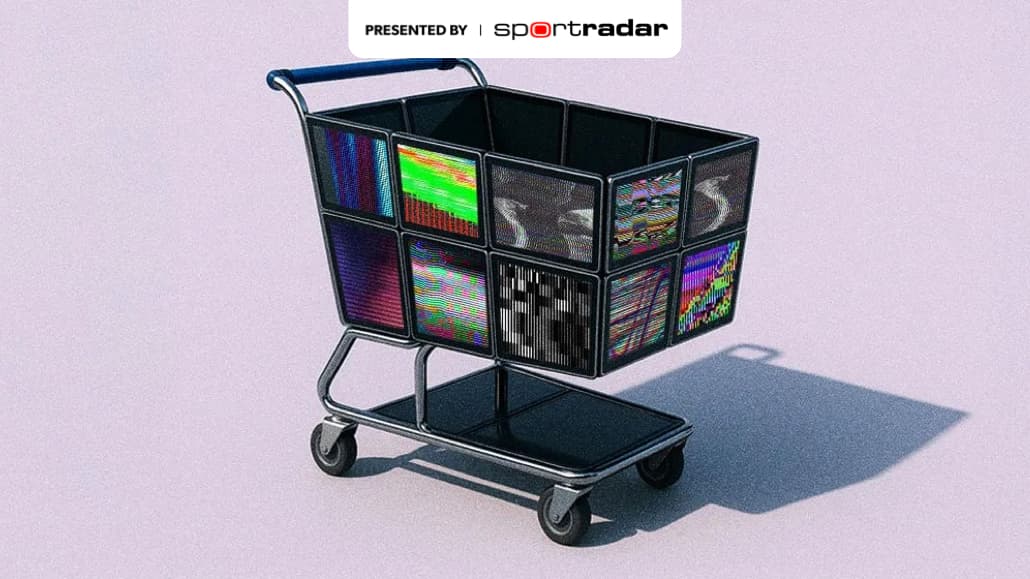
The advertising industry is entering a new cycle of media account reviews, driven by the escalating complexity of the media landscape. Brands are increasingly re-evaluating their agency relationships, not merely for cost efficiencies, but for specialized expertise in emerging areas like retail media networks (RMNs) and advanced attention measurement. This signals a fundamental shift in what brands expect from their media partners, moving beyond traditional reach and frequency toward verifiable engagement and integrated performance.
This impending "mediapalooza" differs significantly from previous waves of agency consolidation or global alignment. The current impetus stems from the rapid fragmentation of ad spend into new, data-rich channels and the demand for more granular, verifiable performance metrics. Retail media, in particular, represents a significant new budget line and a distinct data ecosystem, often managed separately from traditional brand media. Simultaneously, the industry's pivot from basic viewability to true attention metrics requires new technologies and analytical frameworks that many legacy media agencies are still integrating, presenting a challenge to their established operational models.
What actually shipped
The core challenge for marketers is integrating these disparate capabilities into a cohesive strategy. Brands are grappling with how to unify first-party data with insights from RMNs, such as Amazon's Advertising or Walmart Connect, to understand the true impact of their media spend on commerce outcomes. This involves complex data ingestion, harmonization, and activation across platforms that were not designed to communicate seamlessly. Concurrently, they need to implement and interpret attention data from specialist vendors like Lumen or Adelaide, ensuring these metrics inform media planning and optimization beyond just a post-campaign report, thereby moving from an 'opportunity to see' to a 'probability of engagement' mindset. These tasks demand a blend of data science, platform-specific operational knowledge, and robust attribution modeling that extends beyond standard media buying practices.
Traditional media agencies, often built on scale and efficiency in broadcast and digital display, are finding their value proposition challenged. While many are investing heavily in establishing retail media desks and forging attention measurement partnerships, the pace of technological change and the depth of required technical integration can outstrip their existing structures. This environment creates significant opportunities for specialized consultancies and in-house teams to take on specific media functions, effectively unbundling services that were once consolidated under a single agency of record. The shift is less about who can buy media cheapest, and more about who can connect the dots across an increasingly complex and data-rich ecosystem.
"The game is no longer just about buying impressions; it's about buying verifiable engagement and integrating performance across entirely new retail ecosystems."
The next quarter will likely see more brands issuing RFPs that prioritize deep expertise in specific media channels or advanced measurement methodologies over broad generalist capabilities. This trend suggests a future where media buying becomes less about large-scale GRPs or impressions, and more about precision engineering across a diverse and technically demanding ecosystem. Brands will seek partners who can navigate the nuances of each platform and metric, understanding how retail media drives incremental sales or how attention metrics correlate with brand lift, rather than simply executing a plan across all of them. This re-evaluation will force agencies to specialize further or risk being relegated to execution-only roles.
Related Stories
Media & Buying
The Home Depot deepens engagement with US Hispanic consumers
The retailer shifts from broad campaigns to culturally specific media buys and creative, recognizing a significant growth demographic.

Media & Buying
Netflix moves into bespoke brand content with Mike's Hard, Genesis
The streamer’s new push for custom integrations signals a more direct approach to brand partnerships, moving beyond traditional ad formats.

Media & Buying
UK Broadcasters Sky and ITV Consolidate Ad Inventory
Major UK broadcasters Sky and ITV have formed a strategic advertising partnership, creating a unified programmatic buying solution across their combined linear and streaming video inventory. This move aims to offer advertisers scaled reach and data-driven targeting, directly challenging global digital platforms for video ad spend.