Ad Tech|Index 01
Adobe Adds Generative Engine Optimization to CX Enterprise Suite
The new Brand Visibility tool leverages Semrush technology and AI agents to help content rank in large language models.
- Via
- ADVERTISE TOKYO Editors
- Dateline
- Tokyo, Japan - June 17, 2026
- Date
- June 17, 2026
- Time
- 4 min read
Source
MarTech.org
Tagline
Adobe adds Semrush-powered GEO for LLM visibility.
Who & For What
For a Tokyo-based brand strategist or content lead evaluating future-proofing content for generative AI, this details how enterprise tools are addressing LLM visibility.
vs. Japan Play
This offers an enterprise-level, integrated approach that contrasts with Japan's fragmented domestic SEO tools and agency-led AI content optimization services.
Tokyo Take
While globally relevant, this is a "watch and learn" for Tokyo marketers. LLM visibility for Japanese content is nascent, and local ROI metrics are unclear, making existing proven channels a priority.
Adobe has launched "Adobe Brand Visibility," a new offering within its CX Enterprise suite, designed to optimize content for visibility within large language models (LLMs) and generative AI search environments. The tool integrates technology from Adobe's acquisition of Semrush, positioning it as a significant shift from traditional search engine optimization (SEO) towards what Adobe terms Generative Engine Optimization (GEO). This move signals a strategic pivot for enterprise content strategies as generative AI interfaces become more prevalent in consumer information retrieval.
The core functionality of Adobe Brand Visibility relies on AI agents. These agents are tasked with analyzing content and recommending specific optimizations. Crucially, they also implement these changes, aiming to enhance how brand content is ingested and surfaced by LLMs. This goes beyond keyword density or backlink profiles, focusing instead on semantic relevance, structured data, and contextual understanding that AI models prioritize. For marketers, this means a shift in how content is prepared and deployed, moving towards a more machine-readable and contextually rich format.
What actually shipped
Adobe Brand Visibility is presented as a comprehensive solution for enterprise clients. It allows brands to audit their existing content for LLM readiness, identify gaps, and then deploy AI-driven adjustments. The system leverages Semrush's extensive data on search trends and content performance, re-purposed for the nuances of generative AI. The goal is to ensure that when a user prompts an LLM with a query relevant to a brand's products or services, the brand's authoritative content is among the first to be referenced or synthesized by the AI.
This development follows a growing industry trend where traditional SEO is evolving to encompass AI-powered search. Google's Search Generative Experience (SGE) and similar initiatives from other major platforms indicate a future where direct website clicks might be partially supplanted by AI-summarized answers. Adobe's offering attempts to provide brands with a mechanism to influence these summaries and ensure their brand voice and information remain prominent. It represents an enterprise-grade response to a challenge that many content teams are only beginning to grasp.
Adobe used its acquisition of Semrush to build a GEO tool with AI agents that recommend and implement optimizations to help LLM visibility.
The integration of Semrush’s capabilities provides a strong foundation. Semrush has long been a leader in SEO and SEM analytics, offering tools for keyword research, competitive analysis, and site auditing. By embedding this expertise directly into Adobe’s CX platform, Adobe aims to offer a more unified approach to customer experience, from content creation in Adobe Experience Manager to its optimization and distribution through Brand Visibility. This consolidation seeks to streamline workflows for large marketing organizations already invested in the Adobe ecosystem.
What comes next
The effectiveness of GEO tools like Adobe Brand Visibility will depend heavily on the adoption rate of generative AI search interfaces and the transparency of LLM content ingestion algorithms. While the promise of influencing AI-generated answers is compelling, the black-box nature of many LLMs means direct attribution and precise optimization levers remain an ongoing challenge. Marketers will need to scrutinize the actual impact on brand mentions and traffic, rather than relying solely on platform-reported "visibility scores." The coming quarters will show if this is a genuine new channel or simply a new layer of complexity on existing content strategies.
Related Stories
Ad Tech
Martech's Core Problem Is Operational, Not Technical
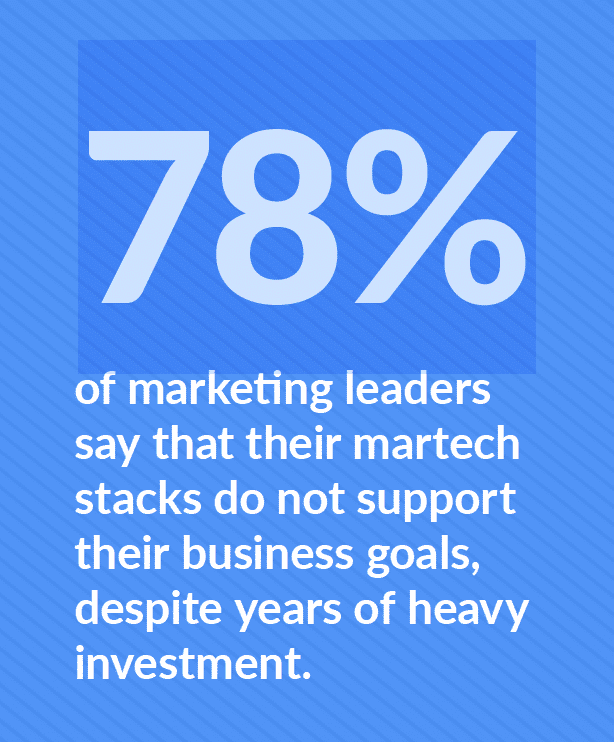
A new survey reveals marketers struggle to leverage their existing technology stacks due to internal process and skill gaps, rather than a lack of software capability.

Ad Tech
OpenAI Ads Manager Expands to UK, Introduces CPC Bidding
OpenAI's self-serve advertising platform broadens its reach and offers performance-focused bidding, signaling a push for direct response spend.

Ad Tech
WPP trials AI media buying, prioritizes governance over pure automation
WPP's GroupM is piloting an AI buyer agent for video campaigns, but the holding company's strategic focus is on establishing robust governance frameworks for AI-driven media decisions, ensuring human oversight and ethical usage.