Ad Tech|Index 01
Martech's Core Problem Is Operational, Not Technical
A new survey reveals marketers struggle to leverage their existing technology stacks due to internal process and skill gaps, rather than a lack of software capability.
- Via
- ADVERTISE TOKYO Editors
- Dateline
- TOKYO
- Date
- June 19, 2026
- Time
- 5 min read
Source
MarTech.org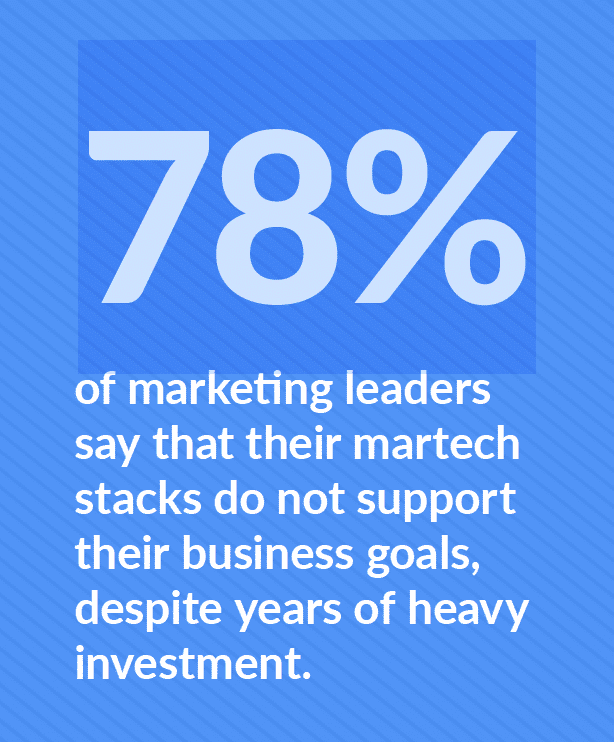
Tagline
Martech's problem is people, not code.
Who & For What
For a Tokyo-based CMO or marketing operations lead at a JTC struggling to demonstrate ROI from their existing martech stack, seeking to realign internal resources and strategy.
vs. Japan Play
This directly challenges the common Japanese approach of acquiring multiple vendor solutions or relying solely on agency-managed platforms without sufficient internal operational readiness, differing by emphasizing in-house process reform over new software acquisition.
Tokyo Take
This global insight highlights that for Tokyo marketers, the priority should shift from acquiring new tech to fostering internal operational maturity, addressing cultural silos, and developing in-house data literacy rather than relying solely on external agencies.
A recent survey from MarTech.org indicates that the primary hurdles preventing marketers from leveraging their technology investments are not technical limitations, but rather pervasive operational bottlenecks. The report, published on June 19, 2026, challenges the common assumption that more sophisticated software is the solution to marketing effectiveness.
Marketers continue to acquire a broad array of tools, from CDPs (Customer Data Platforms) to AI-driven content platforms, yet a significant portion of their potential remains untapped. The survey suggests that teams struggle with integrating disparate systems, maintaining data quality, and developing the internal expertise required to fully utilize these complex stacks. This leads to substantial budget inefficiencies and missed opportunities to act on valuable customer insights.
The core issue, according to the findings, lies in the daily mechanics of marketing operations. Data silos persist across departments, hindering a unified customer view. Workflow inefficiencies delay campaign execution and optimization. Furthermore, a persistent gap in specialized skills means that even advanced features often go unused, leaving marketers unable to translate data into actionable strategies.
The real martech problem is not technology.
This observation is not new. For years, industry discussions have highlighted the 'shelfware' problem, where expensive software licenses sit underutilized. What this survey underlines is the growing urgency of addressing the human and process elements of martech. Without robust data governance, cross-functional collaboration, and continuous upskilling, even the most advanced AI platforms will fail to deliver their promised returns.
For vendors, this implies a shift in focus from feature parity to enablement and integration support. For marketers, it signals a need to prioritize internal organizational change, talent development, and process re-engineering over simply acquiring the next shiny tool. The true competitive edge will come from mastering the operational layer, ensuring that technology serves strategy, not the other way around.
Related Stories

Ad Tech
OpenAI Ads Manager Expands to UK, Introduces CPC Bidding
OpenAI's self-serve advertising platform broadens its reach and offers performance-focused bidding, signaling a push for direct response spend.

Ad Tech
Uber Advertising Expands Ad Reach Beyond Its Apps
Uber is leveraging its first-party data to offer ad placements on third-party retail media networks, seeking new revenue streams beyond its core mobility and delivery platforms.

Ad Tech
Warner Bros. Discovery Unifies Ad Sales with Agentic AI and AWS
Warner Bros. Discovery is revamping its ad-tech stack, leveraging Amazon Web Services and agentic AI to create a unified platform for linear TV and digital advertising. The move aims to simplify cross-platform buys for advertisers.