Ad Tech|Index 02
AI Data Infrastructure: Start Small, Deliver Value Quickly
Building a comprehensive data foundation for AI is a common aspiration, but the most effective path often involves solving one specific problem at a time to generate immediate returns.
- Via
- ADVERTISE TOKYO Editors
- Dateline
- TOKYO, July 15, 2026
- Date
- July 15, 2026
- Time
- 6 min read
Source
MarTech.org
Tagline
AI data infrastructure: tackle one problem first.
Who & For What
For a Head of Growth at a Tokyo-based e-commerce brand or a data strategist at a large agency struggling with legacy data silos, seeking a practical approach to integrate AI capabilities into their marketing stack this quarter.
vs. Japan Play
This challenges the traditional Japanese approach to large-scale system integration projects, often seen in major JTCs or their agency partners, by advocating for agile, problem-specific data initiatives over multi-year, all-encompassing overhauls.
Tokyo Take
Many Japanese firms face internal data silos and a cultural preference for grand, long-term plans; this global advice suggests a more pragmatic, immediate path to AI integration that could yield faster results here.
Companies globally are grappling with how to prepare their data for artificial intelligence initiatives. The common instinct is to overhaul entire data infrastructures, aiming for a perfect, "AI-ready" state before deployment. However, this often leads to stalled projects and delayed value. A more pragmatic approach suggests focusing on a single, high-impact problem first.
The core challenge lies not in the AI models themselves, but in the underlying data. AI requires clean, structured, and accessible data, often aggregated from disparate sources. Attempting to unify every data point across an enterprise before launching any AI project can become an insurmountable task, consuming significant resources without delivering immediate returns. This is particularly true for marketing applications, where data often resides in various CRM, ad platform, and analytics systems.
Instead, the recommendation is to identify a specific business problem that AI can solve, and then build the minimal viable data pipeline required for that single use case. This could be optimizing ad spend for a particular campaign, personalizing email content for a specific customer segment, or predicting churn for a high-value cohort. The goal is to demonstrate tangible value quickly, creating momentum and learning opportunities.
This iterative model stands in contrast to the traditional "big bang" data transformation projects that have historically dominated enterprise IT. Such projects often span years, involve significant upfront investment, and carry high risks of failure due to scope creep or changing business requirements. By narrowing the focus, teams can validate assumptions, refine data models, and prove the ROI of AI in a controlled environment.
"starting with one important problem works better"
This approach allows organizations to develop internal expertise in AI data preparation, understand the nuances of their own data, and build trust in AI's capabilities. It shifts the paradigm from a hypothetical future state to concrete, incremental improvements. This is not about avoiding a comprehensive data strategy, but rather about building it organically, problem by problem.
For marketers, this means prioritizing specific use cases where AI can offer immediate gains. Rather than waiting for a perfect customer 360 view, a team might focus on improving bid optimization on a specific ad platform using existing campaign performance data. This delivers immediate efficiency and builds a case for further data investment. The insights gained from one project can then inform the data architecture for the next.
Related Stories

Ad Tech
Open-Source MMM Lowers Cost, Not The Data Barrier
Free tools have democratized access to marketing mix modeling, but the real work of data quality and analytical expertise remains a significant hurdle for effective implementation.
Ad Tech
Digital Video Ad Spend Shifts Focus to Precision and Measurement
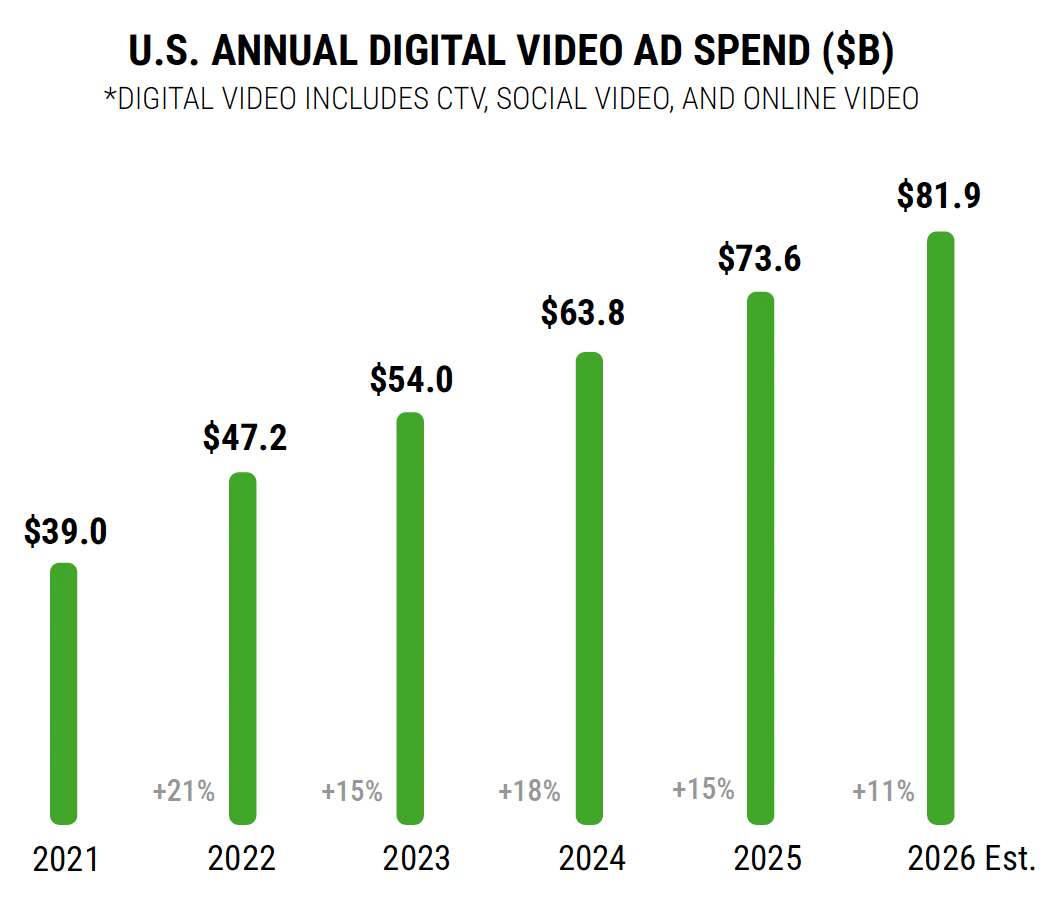
As digital video surpasses traditional TV in ad spending, marketers move beyond channel selection to advanced targeting, sophisticated measurement, and data-driven execution, challenging the industry's adtech capabilities.

Ad Tech
Evaluating AI Vendors: Beyond the Hype Cycle
With AI tools saturating the martech landscape, marketers must ask critical questions about business value, data handling, and integration before committing to a new solution.