Ad Tech|Index 02
AI in CX: Adoption Nears Universal, Deployment Paths Diverge
Despite near-universal AI adoption in customer experience, companies are split on architecture, governance, and trust, struggling to prove clear ROI.
- Via
- ADVERTISE TOKYO Editors
- Dateline
- TOKYO, July 10, 2026
- Date
- July 10, 2026
- Time
- 5 min read
Source
MarTech.org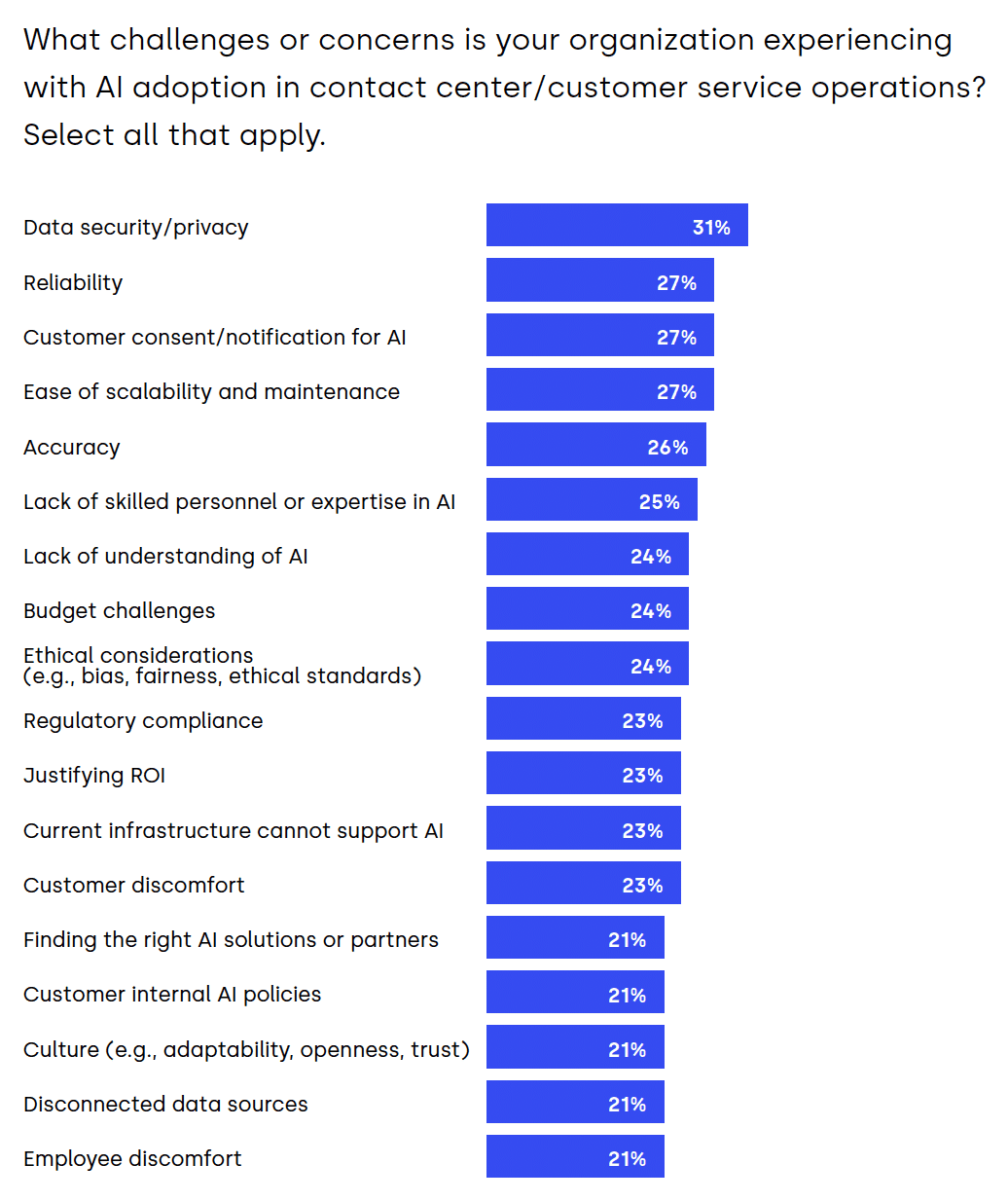
Tagline
CX AI is everywhere, but how to use it isn't.
Who & For What
For a Tokyo-based CMO or head of CX at a B2C brand considering a new MarTech stack, this outlines the strategic challenges in AI deployment beyond initial adoption.
vs. Japan Play
This contrasts with typical Japanese enterprise AI adoption, which often prioritizes vendor-led, off-the-shelf solutions over deep architectural customization, potentially delaying true differentiation.
Tokyo Take
The 90% AI adoption rate in CX, while global, masks a critical nuance for Tokyo marketers: the maturity of internal data infrastructure. Many Japanese enterprises still grapple with fragmented customer data across legacy systems, making sophisticated, unified AI architectures challenging. While vendors like KARTE or Treasure Data offer CDPs that can centralize data, the governance and trust aspects highlighted in the report are often secondary considerations after initial data consolidation. The immediate task for a Tokyo marketer isn't just to adopt AI, but to ensure the underlying data foundation is robust enough to support meaningful AI-driven CX without creating new data silos or compliance risks.
MarTech.org reports that AI adoption in Customer Experience (CX) has reached 90% as of mid-2026. This widespread integration is now forcing companies to confront significant strategic and operational divergences in how they deploy AI.
The report highlights that despite near-universal adoption, the path forward is not uniform. Companies are grappling with fundamental questions regarding AI architecture, governance frameworks, and the critical task of fostering customer trust. Proving tangible return on investment (ROI) remains a persistent challenge for many.
The divergence manifests in various deployment models. Some organizations opt for highly centralized AI systems integrated directly into core CRM platforms, aiming for a unified customer view and consistent interaction. Others prefer a more federated approach, allowing individual business units to implement specialized AI tools for specific CX touchpoints, such as chatbots for support or AI-driven personalization engines for e-commerce.
This split reflects differing philosophies on data control and agility. Centralized models prioritize data security and compliance, often requiring substantial upfront investment in platform integration. Federated models, while potentially faster to deploy at scale, risk creating fragmented customer experiences and data silos if not managed carefully. The discussion around ROI is also bifurcated, with some teams focusing on efficiency gains (e.g., reduced call center times) and others on revenue growth (e.g., higher conversion rates from personalized offers).
The report underscores that the technical implementation is only one part of the equation. Building and maintaining customer trust in AI-driven interactions is emerging as a primary concern.
"organizations are divided on architecture, governance, and building customer trust while proving ROI."
This points to a broader industry struggle where the 'how' of AI deployment is now as critical as the 'what'. Marketers should recognize that the initial rush to adopt AI is maturing into a more considered phase. The focus is shifting from mere implementation to strategic optimization, ethical deployment, and measurable impact. The coming quarters will likely see a consolidation of best practices in governance and a clearer understanding of which architectural models yield sustainable CX improvements and demonstrable ROI.
Related Stories

Ad Tech
AI Code Needs Process, Not Just Prompts
The focus for AI-generated code shifts from prompt engineering to maintainability and governance, with 'prompt logs' emerging as a solution.

Ad Tech
Meta Mandates Granular AI Ad Disclosure
Meta is rolling out updated disclosure tags for ads containing AI-generated elements, differentiating between content made with its own tools and those from external AI applications, effective July 9, 2026. This move aims to enhance transparency and manage the growing use of generative AI in advertising creative.
Ad Tech
AI in GTM: Shifting Focus from Volume to Insight
MarTech.org argues marketers are misapplying AI in Go-To-Market strategies, suggesting a pivot from automating busywork to generating deeper account insights for stronger client relationships.