Ad Tech|Index 02
AI in GTM: Shifting Focus from Volume to Insight
MarTech.org argues marketers are misapplying AI in Go-To-Market strategies, suggesting a pivot from automating busywork to generating deeper account insights for stronger client relationships.
- Via
- ADVERTISE TOKYO Editors
- Dateline
- Tokyo, July 9, 2026
- Date
- July 9, 2026
- Time
- 5 min read
Source
MarTech.org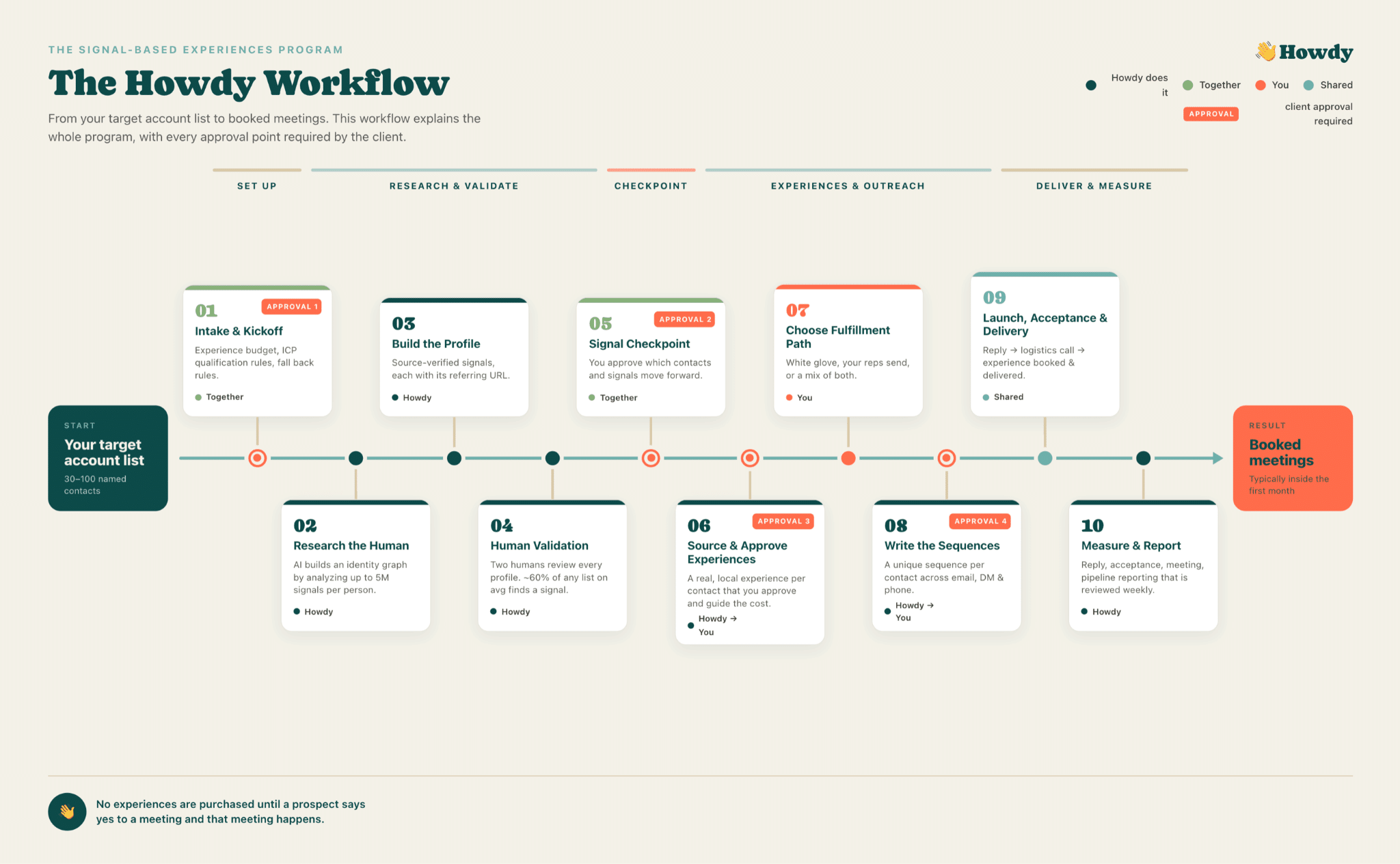
Tagline
AI for GTM: Insight over busywork.
Who & For What
For a Tokyo B2B marketing or sales leader designing a Q3 GTM strategy, this offers a framework to critically evaluate current AI investments and redirect efforts towards deeper account intelligence and relationship building.
vs. Japan Play
This contrasts with common Japanese B2B digital marketing plays that often prioritize lead generation volume through platforms like LINE Ads or Yahoo! JAPAN Display Ads, by advocating for AI-driven depth in account intelligence rather than broad reach.
Tokyo Take
Tokyo marketers should assess if their AI GTM tools genuinely enhance insight for relationship building, or if they merely automate tasks that local B2B sales still heavily rely on face-to-face interaction for.
MarTech.org recently published an editorial arguing that many marketers misdirect AI efforts within their Go-To-Market (GTM) strategies. The core contention is that current applications often prioritize scaling repetitive, low-value tasks rather than leveraging AI for more impactful strategic work. This perspective suggests a fundamental re-evaluation of where AI can truly add value in B2B sales and marketing.
The article posits that the current trend focuses AI on what it terms "busywork"—tasks such as mass email personalization or basic content generation. While these applications offer efficiency gains, they fail to address the core challenge of GTM: building meaningful client relationships that close deals. Instead, MarTech.org advocates for using AI to uncover richer account insights, allowing human teams to dedicate more time to high-touch engagement.
"You're using AI to scale the wrong part of GTM"
This proposed shift means moving beyond automating the periphery of the sales funnel. It implies employing AI for sophisticated data analysis, identifying key decision-makers, understanding complex organizational structures, and predicting customer needs based on vast datasets. The goal is to equip sales and marketing professionals with actionable intelligence, rather than merely more tools for volume outreach.
Historically, B2B GTM strategies have often struggled with balancing scale and personalization. Traditional approaches relied on either broad-stroke campaigns or labor-intensive, one-to-one outreach. The promise of AI was to bridge this gap, but if misapplied, it risks merely accelerating the wrong activities. Platforms like Salesforce Einstein or HubSpot's AI tools already offer predictive analytics and lead scoring, but the emphasis here is on guiding human interaction, not replacing it.
The editorial implicitly critiques a common pitfall in technology adoption: automating existing inefficient processes rather than re-imagining the process itself. For many marketing teams, the immediate appeal of AI lies in offloading mundane tasks. However, this perspective suggests a deeper strategic application is necessary for AI to move from a cost-saving tool to a revenue-driving enabler.
Related Stories

Ad Tech
AI Code Needs Process, Not Just Prompts
The focus for AI-generated code shifts from prompt engineering to maintainability and governance, with 'prompt logs' emerging as a solution.
Ad Tech
AI in CX: Adoption Nears Universal, Deployment Paths Diverge
Despite near-universal AI adoption in customer experience, companies are split on architecture, governance, and trust, struggling to prove clear ROI.

Ad Tech
Meta Mandates Granular AI Ad Disclosure
Meta is rolling out updated disclosure tags for ads containing AI-generated elements, differentiating between content made with its own tools and those from external AI applications, effective July 9, 2026. This move aims to enhance transparency and manage the growing use of generative AI in advertising creative.