Ad Tech|Index 02
Email Marketing's Core Distinction: Transactional, Triggered, Promotional
Misunderstanding email types risks compliance and customer trust. A clear strategy for each is essential.
- Via
- ADVERTISE TOKYO Editors
- Dateline
- Tokyo, July 13, 2026
- Date
- July 13, 2026
- Time
- 6 min read
Source
MarTech.org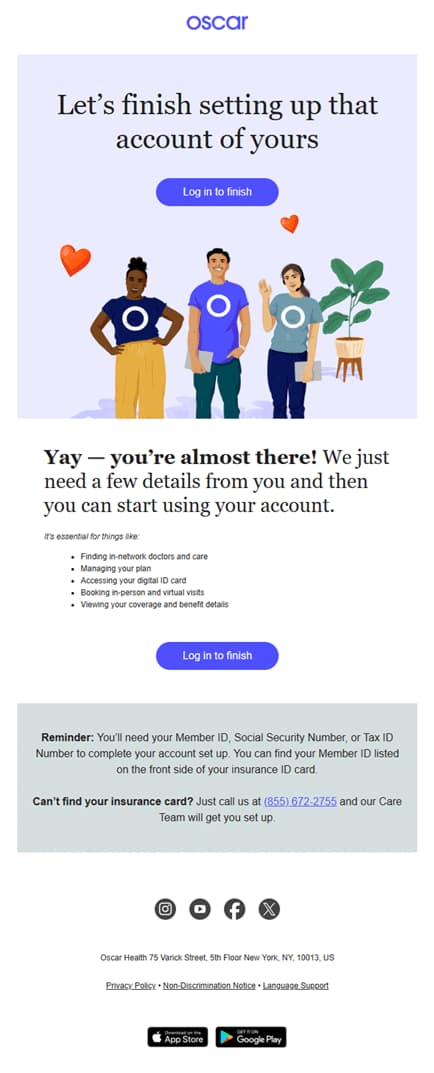
Tagline
Not all emails are created equal.
Who & For What
For a Tokyo-based CRM manager at an e-commerce brand or a digital marketing lead at a financial institution, this clarifies how to segment email strategy for compliance and customer engagement this quarter.
vs. Japan Play
This refines the standard email marketing approach used by many Japanese agencies and brands, pushing beyond simple segmentation to a compliance-driven distinction that impacts deliverability and user experience more directly than a typical LINE Official Account message.
Tokyo Take
While LINE is dominant, email remains critical for specific customer journeys in Japan. Marketers must ensure their ESPs and internal teams clearly distinguish these email types to align with local privacy laws and consumer expectations, particularly for transactional communications.
MarTech.org recently highlighted the fundamental differences between transactional, triggered, and promotional emails, a distinction often blurred in practice. These categories are not merely semantic; they carry distinct legal obligations, impact deliverability, and fundamentally shape customer perception and revenue generation. Understanding their specific roles is critical for effective digital communication.
Transactional emails, like order confirmations or password resets, are direct responses to a user's action. They are typically exempt from strict opt-in requirements in many jurisdictions because they are essential for service delivery. Promotional emails, conversely, are marketing messages requiring explicit consent and offering an easy opt-out. Triggered emails, such as abandoned cart reminders or welcome sequences, occupy a more nuanced space, often blending service utility with marketing intent, and their classification depends heavily on content and local regulations.
The practical implication for marketers lies in compliance and customer experience. Mislabeling a promotional email as transactional to bypass consent, for instance, risks legal penalties under regulations like GDPR, CCPA, or Japan's Act on Specified Commercial Transactions. Beyond legalities, sending unsolicited marketing content within a service-critical email erodes trust and can lead to higher unsubscribe rates or spam complaints, damaging sender reputation and future deliverability for all email types.
These three email types may look similar, but they serve different purposes, follow different rules, and drive revenue in different ways.
Many Email Service Providers (ESPs) offer separate sending streams or classifications for these email types, precisely to manage deliverability and compliance. Brands using a single stream for all communications often encounter higher spam rates. An effective strategy involves rigorous content review to ensure each email aligns with its declared type, and clear consent management for promotional messages. This clarity is not just about avoiding fines; it is about respecting the customer's inbox.
What it means for a Tokyo marketer
For marketers operating in Tokyo, these distinctions are particularly salient. While Japan's Personal Information Protection Act (個人情報保護法) and the Act on Specified Commercial Transactions (特定商取引法) have specific requirements for commercial emails, the underlying principle of user consent and purpose-driven communication remains paramount. Japanese consumers value clear, concise communication, and an unexpected marketing message embedded in a transaction confirmation can be perceived negatively, leading to brand distrust.
This clarity impacts the briefing process for agencies and internal teams. A brief for a welcome series (triggered) differs significantly from one for a seasonal sale announcement (promotional). It dictates the data points required, the consent flags to check, and the key performance indicators (KPIs) to monitor. For instance, a transactional email's success is measured by its delivery and open rate as a utility, while a promotional email focuses on conversion.
While LINE Official Accounts handle a significant portion of direct consumer communication in Japan, email retains its role for detailed, often service-critical, communications. Financial services, airlines, and e-commerce platforms still rely heavily on email for secure updates and critical confirmations. Ensuring these emails are correctly categorized and compliant is not a technical afterthought; it is a strategic imperative that directly influences customer retention and brand equity in a market where trust is hard-earned.
The lesson is a reminder of fundamental email hygiene. For Tokyo marketers, reviewing current email flows against these definitions can prevent future compliance headaches and improve customer relationships. It also provides a stronger argument for investing in dedicated transactional email services or robust CDP integrations that manage consent and segmentation with precision, rather than treating email as a monolithic channel.
Related Stories

Ad Tech
Evaluating AI Vendors: Beyond the Hype Cycle
With AI tools saturating the martech landscape, marketers must ask critical questions about business value, data handling, and integration before committing to a new solution.

Ad Tech
AI Code Needs Process, Not Just Prompts
The focus for AI-generated code shifts from prompt engineering to maintainability and governance, with 'prompt logs' emerging as a solution.
Ad Tech
AI in CX: Adoption Nears Universal, Deployment Paths Diverge
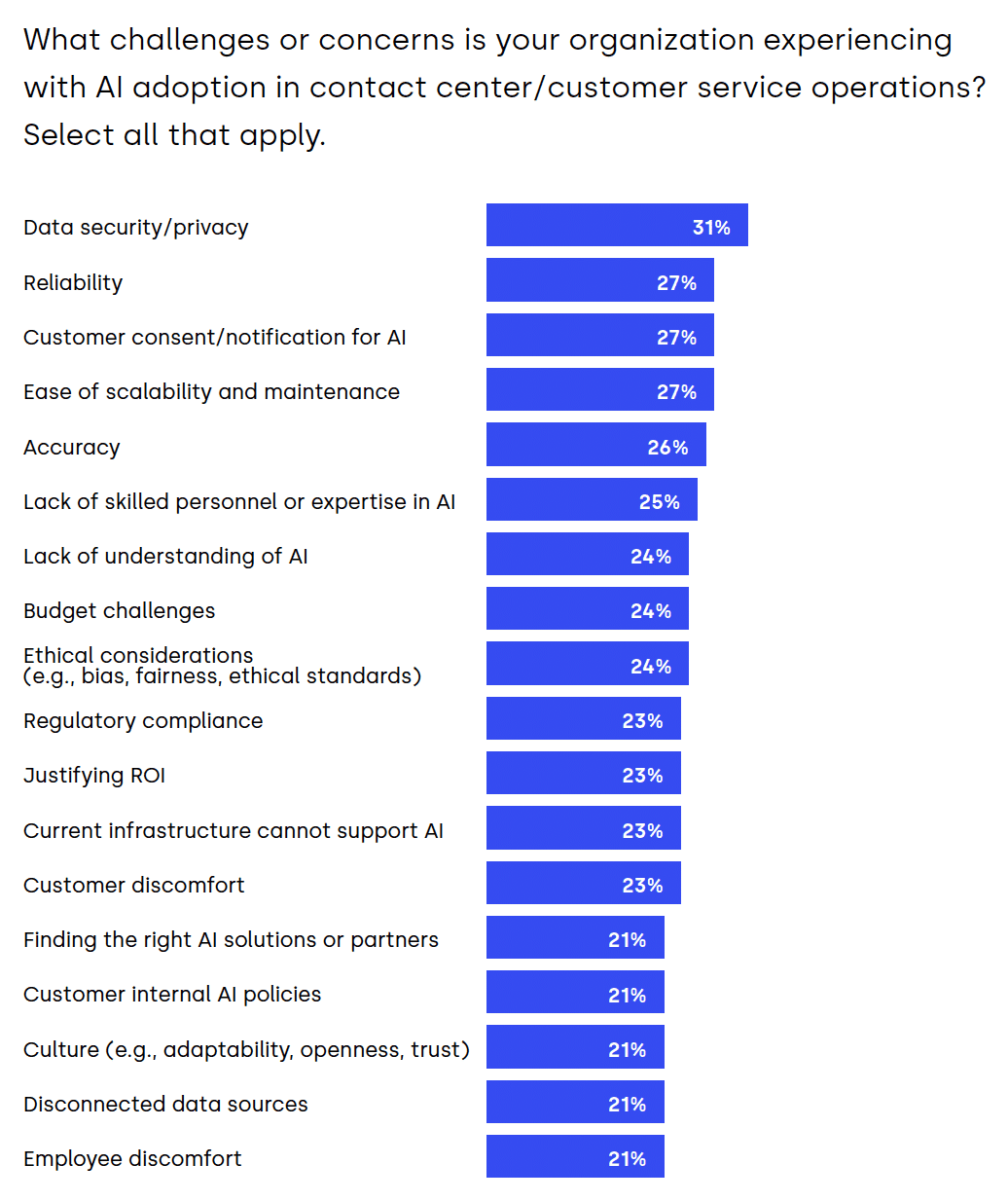
Despite near-universal AI adoption in customer experience, companies are split on architecture, governance, and trust, struggling to prove clear ROI.