Ad Tech|Index 01
Instacart expands ad offerings with video and AI assistant integration
The grocery delivery giant moves beyond performance marketing, aiming for full-funnel brand budgets.
- Via
- ADVERTISE TOKYO Editors
- Dateline
- June 29, 2026
- Date
- June 29, 2026
- Time
- 6 min read
Source
Marketing DiveInstacart adds video and AI ads, targeting brand budgets.
Tagline
Instacart adds video and AI ads, targeting brand budgets.
Who & For What
For a Tokyo-based brand manager at a CPG company considering new digital video channels, or a media planner evaluating retail media networks for full-funnel campaign integration.
vs. Japan Play
This expands on typical Rakuten Ads or Yahoo! Japan Shopping Ads by integrating rich video and conversational AI directly into the grocery shopping flow, moving beyond product listing ads.
Tokyo Take
While Japanese e-commerce giants like Rakuten and LINE have robust ad platforms, a dedicated grocery delivery RMN with Instacart's video and AI sophistication does not yet exist at scale. Tokyo marketers should observe how these full-funnel ad units perform in the US, as similar features might eventually be integrated into broader e-commerce ecosystems here, but not specifically for grocery delivery in the near term.
Instacart, the dominant US grocery delivery platform, is significantly expanding its advertising capabilities by introducing a short-form vertical video feed and integrating ad placements directly into its nascent AI assistant. Ali Miller, Instacart's general manager of advertising, outlined this strategic pivot, signaling the company's ambition to capture a larger share of brand marketing budgets beyond traditional retail media. This move positions Instacart to compete directly with social media platforms for upper-funnel brand awareness and consideration spend.
Historically, retail media networks (RMNs) like Instacart have focused on lower-funnel performance advertising, leveraging first-party purchase data to drive immediate sales conversions. The introduction of a TikTok-like vertical video feed within the Instacart app allows brands to showcase products and engage consumers earlier in their shopping journey, before a specific purchase intent is established. This enables richer brand storytelling and product discovery, moving beyond static banner ads or sponsored product listings.
What actually shipped
The new vertical video feed allows brands to run short, engaging video ads that appear natively within the Instacart app experience. Concurrently, Instacart is developing an AI assistant designed to help users with meal planning, recipe discovery, and shopping list creation. Advertisements will be contextually integrated into these AI-powered conversations, offering relevant product suggestions directly within the user's planning flow. This dual approach aims to provide both broad reach and highly personalized, intent-driven ad exposure.
This expansion reflects a broader trend among major e-commerce and delivery platforms to evolve into comprehensive media owners. Companies like Amazon and Walmart have similarly invested in video advertising and advanced data-driven targeting to offer full-funnel solutions. Instacart's strength lies in its direct access to granular grocery purchase data, which provides a unique advantage for targeting and measuring the real-world impact of brand campaigns.
The ultimate goal for Instacart is to demonstrate the incrementality of these new ad units across the entire marketing funnel. Brands are increasingly demanding proof that their advertising spend generates additional sales, not just attributes existing demand. Integrating these new formats allows Instacart to present a more compelling case for brand investment, showing how video views and AI assistant engagements translate into actual basket additions.
"It's not just about, 'I'm going to shop for Tide, and I'm going to see Tide in search.' It's also, 'I'm going to see a Tide ad when I'm browsing for something else, or when I'm looking for a specific solution, or when I'm engaging with our AI assistant for meal planning."
What comes next
The success of Instacart's full-funnel play will depend on user adoption of the new video feed and the AI assistant, as well as the platform's ability to provide transparent, robust measurement frameworks. Brands will need clear metrics that connect upper-funnel video engagement to downstream purchase behavior. For marketers, this represents another channel to consider for brand-building, but one that requires careful evaluation of its unique audience and purchase intent signals compared to established social or CTV platforms.
Related Stories

Ad Tech
Synthetic Data: A Tool, Not a Replacement, for Customer Research
AI-generated insights offer new avenues for customer understanding, but require rigorous validation and clear governance to avoid misdirection.
Ad Tech
Agentic AI is forcing a martech data reckoning
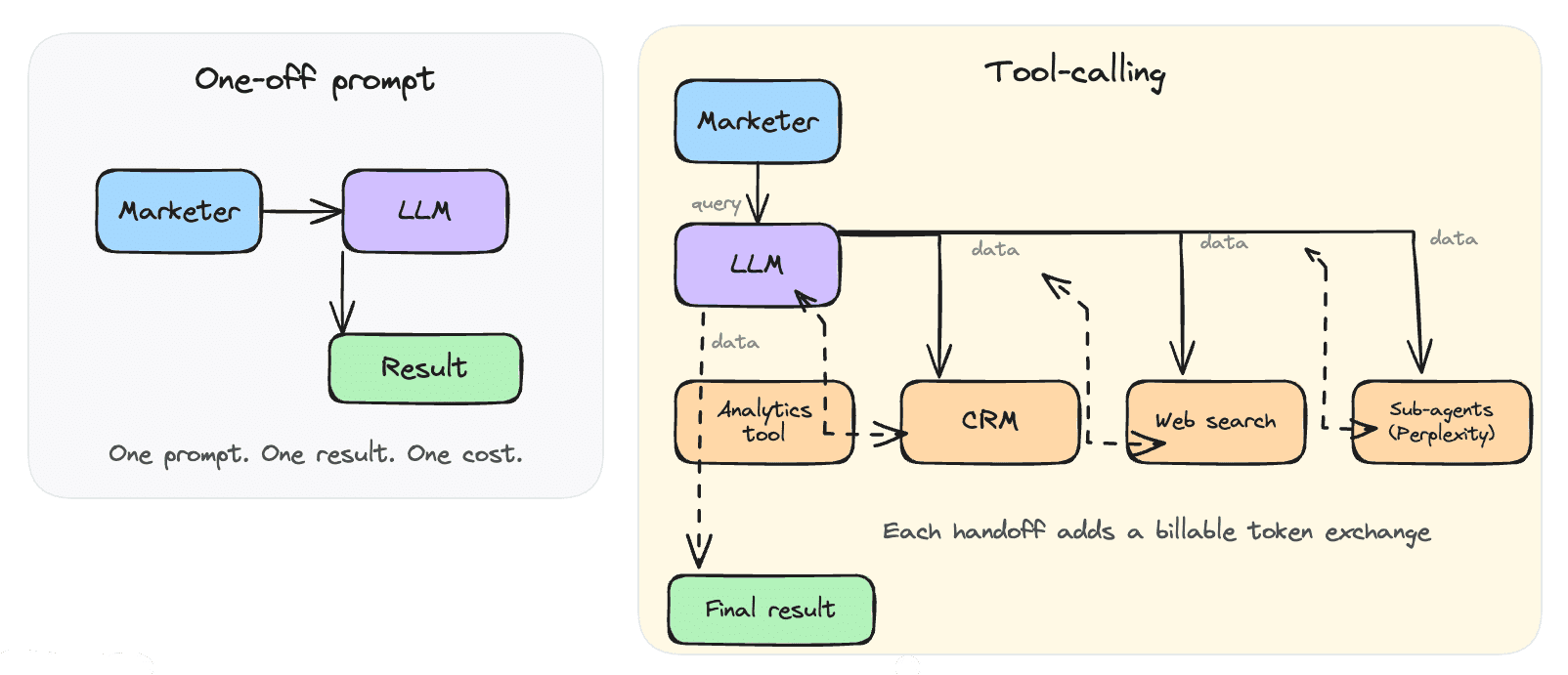
The operational costs of AI agents interacting with disparate marketing tools are pushing companies to centralize data, shifting martech economics.

Ad Tech
Cannes Confessional: The Reality of AI Adtech Deployment
Despite the awards and buzz, many marketers privately admit AI-driven personalization and creative automation are still far from mainstream for practical use.