Ad Tech|Index 01
Warner Bros. Discovery Unifies Ad Sales with Agentic AI and AWS
Warner Bros. Discovery is revamping its ad-tech stack, leveraging Amazon Web Services and agentic AI to create a unified platform for linear TV and digital advertising. The move aims to simplify cross-platform buys for advertisers.
- Via
- ADVERTISE TOKYO Editors
- Dateline
- Tokyo
- Date
- June 18, 2026
- Time
- 6 min read
Source
Marketing DiveWBD unifies linear and digital ads with AI.
Tagline
WBD unifies linear and digital ads with AI.
Who & For What
For media planners and brand managers at global CPG or entertainment brands looking to simplify cross-platform video buys and improve attribution across fragmented linear TV and streaming inventory.
vs. Japan Play
This directly competes with how major Japanese media groups like TVer or ABEMA are attempting to unify their digital video inventory with linear TV ad sales, though WBD's "agentic AI" suggests a more autonomous optimization layer than typically seen in Japan's current offerings.
Tokyo Take
While WBD's inventory is primarily US-centric, the underlying shift towards AI-driven cross-platform video buying is a trend Tokyo media desks at Dentsu or Hakuhodo will watch closely as TVer and ABEMA mature their own converged offerings.
Warner Bros. Discovery (WBD) has announced a significant overhaul of its advertising technology infrastructure, migrating its ad-tech stack to Amazon Web Services (AWS) and integrating what it terms "agentic AI." This initiative seeks to unify WBD's linear television and digital advertising sales, offering a single, more cohesive platform for advertisers across its extensive content portfolio.
The core challenge WBD addresses is the persistent fragmentation between traditional linear TV ad buys and the increasingly sophisticated world of digital programmatic advertising. By consolidating these under one technical roof, WBD aims to provide advertisers with a streamlined buying experience, consistent audience targeting, and unified measurement across its diverse channels, including streaming services like Max and its various cable networks.
The concept of "agentic AI" suggests a move beyond traditional programmatic automation. It implies autonomous AI systems capable of making more complex, real-time decisions regarding budget allocation, audience segment targeting, and campaign optimization across WBD's properties. These AI agents would theoretically operate within parameters set by advertisers, but with the intelligence to adapt and improve campaign performance without constant manual oversight.
Embracing agent-led automation aims to bring linear TV and digital under one roof while preserving flexibility for advertisers.
This strategic shift reflects a broader industry trend among major media owners. Companies like Disney and NBCUniversal have also invested heavily in developing their own converged advertising platforms, recognizing the advertiser demand for unified audience reach and performance metrics across both streaming and broadcast. WBD's emphasis on "agentic AI" positions its effort as an attempt to introduce a more advanced, autonomous layer of optimization compared to existing solutions.
For advertisers, this could translate into simpler campaign planning and execution, potentially leading to more efficient spend and improved attribution modeling across WBD's inventory. The promise of preserving flexibility suggests that brands will still maintain control over strategic objectives, while the AI handles the tactical deployment and real-time adjustments.
Related Stories
Ad Tech
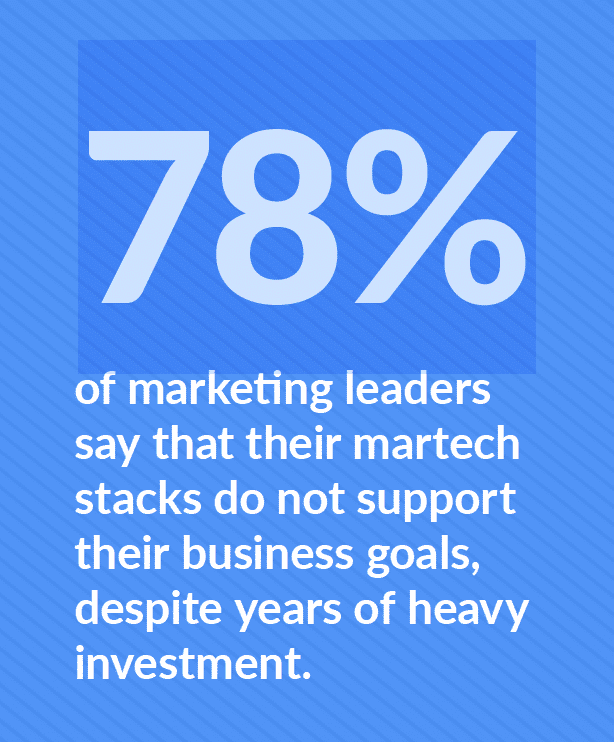
Martech's Core Problem Is Operational, Not Technical
A new survey reveals marketers struggle to leverage their existing technology stacks due to internal process and skill gaps, rather than a lack of software capability.

Ad Tech
OpenAI Ads Manager Expands to UK, Introduces CPC Bidding
OpenAI's self-serve advertising platform broadens its reach and offers performance-focused bidding, signaling a push for direct response spend.

Ad Tech
Uber Advertising Expands Ad Reach Beyond Its Apps
Uber is leveraging its first-party data to offer ad placements on third-party retail media networks, seeking new revenue streams beyond its core mobility and delivery platforms.