Ad Tech|Index 01
B2B Signal Orchestration: Unifying Buyer Signals for Sales Readiness
B2B marketers are increasingly combining intent, engagement, firmographic, and buying committee data to identify accounts poised for purchase, moving beyond isolated lead scoring.
- Via
- ADVERTISE TOKYO Editors
- Dateline
- June 11, 2026
- Date
- June 11, 2026
- Time
- 5 min read
Source
MarTech.orgB2B intent signals combined for sales readiness.
Tagline
B2B intent signals combined for sales readiness.
Who & For What
For Tokyo-based B2B marketing and sales leaders building a data-driven pipeline, this clarifies how to prioritize accounts for immediate sales engagement by aggregating diverse buyer signals.
vs. Japan Play
While many Japanese B2B firms use lead scoring in marketing automation (e.g., Marketo Engage Japan), signal orchestration goes deeper by integrating external intent data and committee insights, moving beyond simple form fills or email opens.
Tokyo Take
Japan's B2B landscape often relies on personal relationships and event-driven leads. Adopting signal orchestration requires significant investment in data integration and a cultural shift towards data-driven sales, a hurdle for many JTCs. Expect local players like Money Forward or freee to eventually offer such capabilities within their ecosystem.
B2B marketing is increasingly focused on "signal orchestration," a strategy for identifying accounts ready to purchase. This approach moves beyond isolated data points, aiming to aggregate diverse signals into a cohesive view of buyer intent and readiness. It represents an evolution in how B2B teams approach account-based marketing (ABM).
The core idea is to combine various data streams that, individually, might not reveal a clear buying signal. These include intent data (what companies are researching online), engagement data (how they interact with a brand's content), firmographic data (company size, industry, location), and buying committee signals (identifying key decision-makers and their roles). The objective is to construct a more accurate predictive model of an account's likelihood to convert.
This orchestration process involves integrating data from multiple sources, such as CRM systems, marketing automation platforms, website analytics, and third-party intent providers. By centralizing and analyzing these signals, marketers can pinpoint specific accounts that exhibit strong indicators of being in-market. This allows for more targeted and timely outreach from both marketing and sales teams.
Combine intent, engagement, firmographic, and buying committee signals to identify readiness and trigger more effective engagement.
Historically, B2B sales cycles have been long and often reliant on cold outreach or broad demand generation. Signal orchestration offers a data-driven alternative, enabling resources to be focused on accounts that are already demonstrating active interest. This shift aims to improve conversion rates and optimize sales pipeline efficiency by aligning marketing efforts more closely with sales priorities.
While the concept is straightforward, its implementation requires robust data infrastructure and a clear definition of what constitutes a "buying signal" for a given product or service. The challenge lies in integrating disparate data sets and developing algorithms that can accurately weigh and interpret these signals. Effective deployment can lead to more personalized communication and a streamlined buyer journey.
Related Stories

Ad Tech
Publicis and The Trade Desk Settle Programmatic Data Dispute
The two adtech giants confirmed a resolution to their long-running conflict over data access and agency programmatic buying strategies, though terms remain confidential.
Ad Tech
Email Deliverability Rules Tighten for Bulk Senders
Google, Yahoo, and Microsoft are implementing stricter email authentication requirements, mandating DMARC for bulk senders. This change impacts how marketers ensure their emails reach inboxes.
Ad Tech
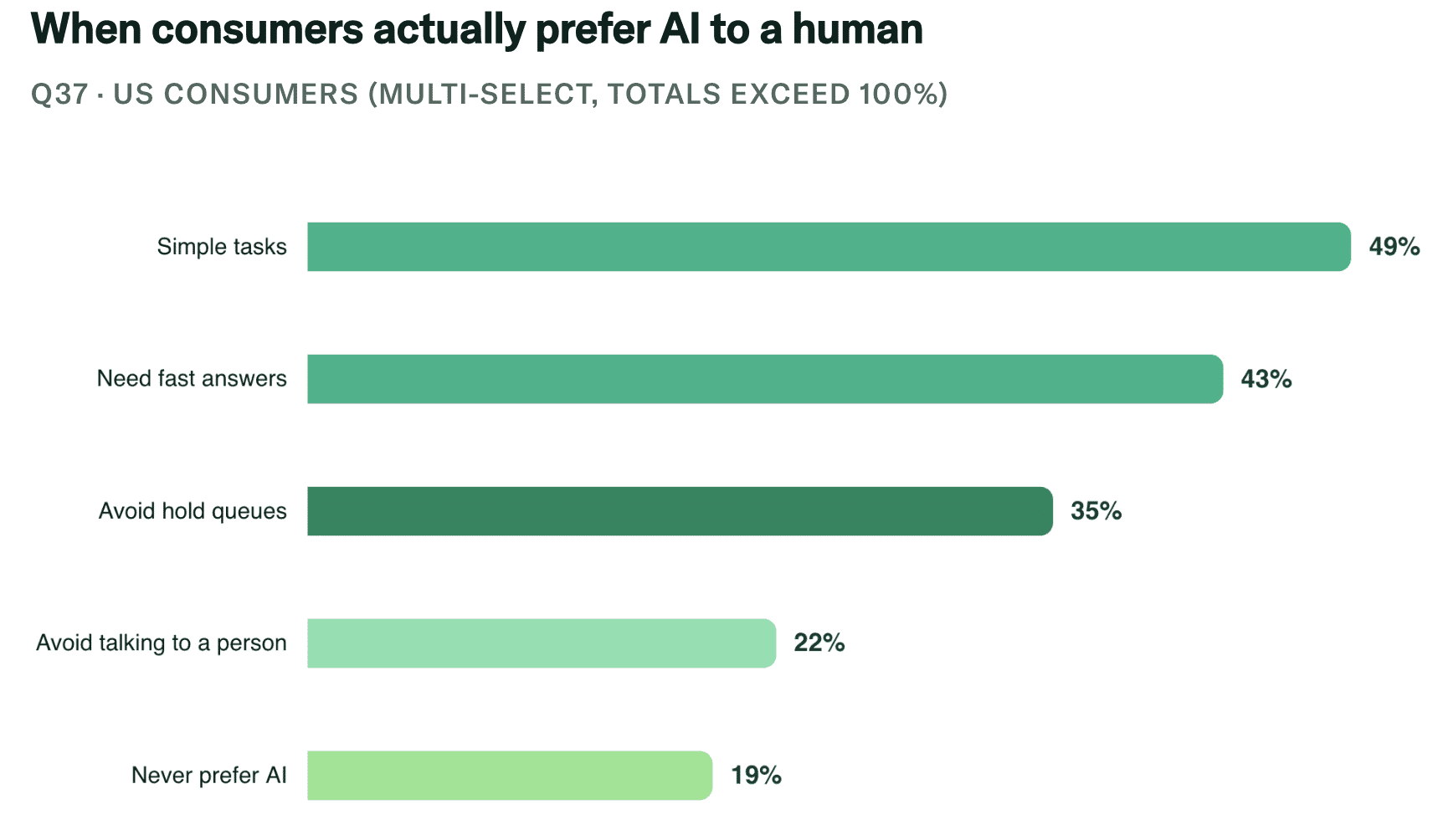
Brands Lag Consumer AI Expectations
New research indicates a growing consumer appetite for AI-driven interactions, yet many brands remain unprepared to deliver them effectively.