Ad Tech|Index 01
Email Deliverability Rules Tighten for Bulk Senders
Google, Yahoo, and Microsoft are implementing stricter email authentication requirements, mandating DMARC for bulk senders. This change impacts how marketers ensure their emails reach inboxes.
- Via
- ADVERTISE TOKYO Editors
- Dateline
- Tokyo, Japan
- Date
- June 12, 2026
- Time
- 6 min read
Source
MarTech.orgTagline
Email authentication becomes mandatory for bulk senders.
Who & For What
For a Tokyo-based performance marketer or marketing operations manager at an e-commerce brand overseeing email campaigns, this mandates an immediate technical audit of their email authentication setup to maintain deliverability.
vs. Japan Play
This globally enforced standard differs from existing domestic email best practices (e.g., those for LINE Official Account messaging) by focusing on core internet protocols (DMARC/SPF/DKIM) rather than platform-specific messaging rules, affecting any bulk sender regardless of their ESP's origin.
Tokyo Take
Many Japanese brands, particularly SMEs, may find their current email setups non-compliant, necessitating an immediate technical review. This isn't about new ad units; it's about foundational email infrastructure that directly impacts whether existing campaigns even reach inboxes, forcing marketing and IT teams to collaborate more closely.
Google, Yahoo, and Microsoft have begun enforcing new, stricter email authentication policies for bulk senders, effective immediately. These changes primarily target senders dispatching more than 5,000 emails per day, requiring robust authentication protocols like DMARC, SPF, and DKIM to prevent spam and phishing.
The core of the update mandates that bulk senders authenticate their emails using DMARC (Domain-based Message Authentication, Reporting & Conformance), alongside existing SPF (Sender Policy Framework) and DKIM (DomainKeys Identified Mail) records. Unauthenticated emails risk being rejected or routed directly to spam folders, severely impacting deliverability and campaign performance. Google has also enhanced its Postmaster Tools to provide more detailed deliverability analysis, offering senders clearer insights into their email health.
This move reflects a long-standing industry effort to combat unsolicited email and improve user trust. For years, email service providers have struggled with the volume and sophistication of spam. By placing the onus more heavily on senders to prove their legitimacy, these platforms aim to clean up inboxes and protect users from malicious content. The shift is not merely technical; it represents a re-evaluation of the sender-receiver relationship, prioritizing security and authenticity.
The implications for marketers are direct. Brands relying on large-scale email campaigns – from newsletters to promotional blasts – must now ensure their technical setup is compliant. This involves configuring DMARC records correctly, monitoring sender reputation, and actively addressing any authentication failures reported by tools like Google Postmaster. Failure to adapt will result in significant drops in email reach and engagement, rendering campaigns ineffective.
This is not a new playbook; major email providers have incrementally tightened these controls for over a decade. The current update, however, marks a more aggressive stance, moving from recommendation to explicit requirement for high-volume senders. Marketers should consider this a critical operational mandate rather than an optional best practice. The era of casual bulk email is receding.
The immediate next step for any marketer managing email lists is an audit of their current authentication setup. This includes verifying SPF, DKIM, and DMARC records, and ensuring their email service provider (ESP) or marketing automation platform supports these configurations. Beyond technical compliance, a focus on audience segmentation and content relevance will become even more crucial to maintain high engagement rates and avoid being flagged as unwanted, even with proper authentication.
Related Stories

Ad Tech
Publicis and The Trade Desk Settle Programmatic Data Dispute
The two adtech giants confirmed a resolution to their long-running conflict over data access and agency programmatic buying strategies, though terms remain confidential.
Ad Tech
Brands Lag Consumer AI Expectations
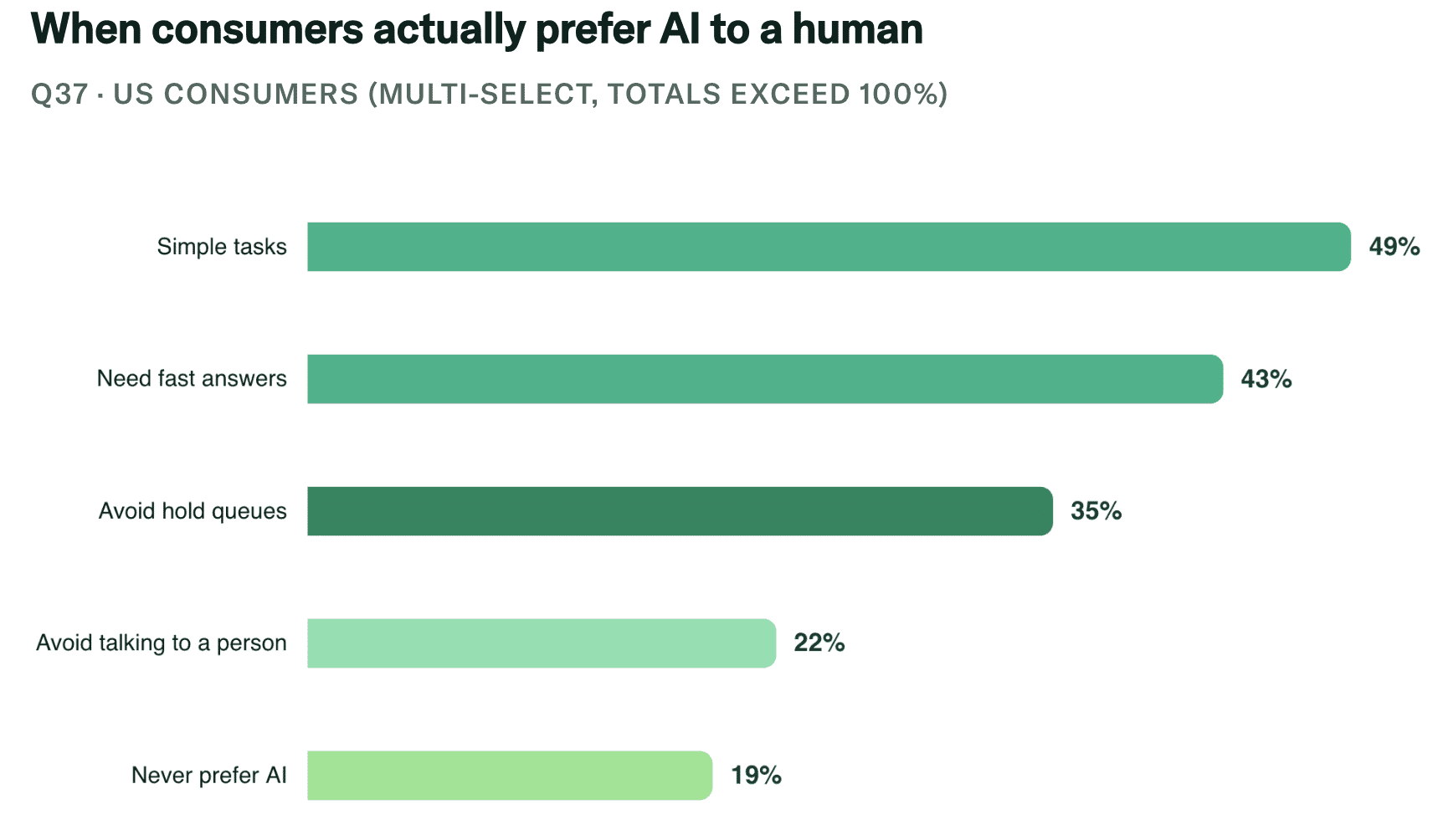
New research indicates a growing consumer appetite for AI-driven interactions, yet many brands remain unprepared to deliver them effectively.

Ad Tech
B2B Signal Orchestration: Unifying Buyer Signals for Sales Readiness
B2B marketers are increasingly combining intent, engagement, firmographic, and buying committee data to identify accounts poised for purchase, moving beyond isolated lead scoring.