Ad Tech|Index 02
Branded Search: A Lagging Indicator of Demand
Consumers are making purchase decisions before branded searches, challenging traditional measurement of brand demand.
- Via
- ADVERTISE TOKYO Editors
- Dateline
- Tokyo, July 20, 2026
- Date
- July 20, 2026
- Time
- 5 min read
Source
MarTech.org
Tagline
Branded search no longer signals demand, only confirmation.
Who & For What
For a Tokyo-based brand manager or media planner assessing brand health and campaign effectiveness, this clarifies why branded search alone is an insufficient KPI for early-stage demand.
vs. Japan Play
This challenges the long-standing practice in Japan of using branded search volume as a primary proxy for brand awareness and consideration, a common metric in Dentsu/Hakuhodo brand lift studies, pushing for more sophisticated multi-touch attribution over simple last-click models.
Tokyo Take
While the underlying consumer shift is global, the Japanese market's heavy reliance on platform-specific ad formats (LINE Ads, Yahoo! JAPAN Display Ads) and closed ecosystems means early-stage intent signals are often siloed. Marketers must integrate data from diverse social and content platforms, like TikTok and YouTube, with traditional search data to build a comprehensive view of pre-search decision-making.
Branded search queries are becoming a less accurate indicator of consumer demand, challenging a long-held industry standard. This shift, noted by MarTech.org, suggests that by mid-2026, the traditional understanding of brand intent signals requires a significant recalibration.
The core mechanism driving this change is a fundamental shift in consumer behavior. Shoppers are increasingly finalizing their purchase decisions *before* they ever type a brand name into a search engine. This means that by the time a branded search occurs, the consumer is often already committed to a specific product or service, rendering the search itself a mere confirmation step rather than an exploration of demand.
This trend directly challenges established measurement practices. Historically, a rise in branded search volume was considered a direct signal of growing brand equity and consumer interest. Now, that signal lags the actual decision point. Marketers must therefore look further upstream in the consumer journey for true demand indicators, considering engagement metrics on social platforms, content consumption patterns, and early-stage consideration signals.
This phenomenon is not entirely new, but its acceleration is noteworthy. It parallels the rise of discovery commerce on platforms like TikTok and Instagram, where products are introduced and intent is built through short-form video or curated feeds, often without explicit search. Retail media networks (RMNs) also play a role, surfacing products at the point of purchase before a brand search becomes necessary. The shift pushes the value of brand building further into awareness and consideration phases, away from reliance on the direct response metrics of branded search.
Agencies and brands will need to re-evaluate their attribution models and media mix. Investment in brand lift studies, attention metrics (which measure actual engagement beyond simple viewability), and sophisticated multi-touch attribution that accounts for pre-search touchpoints will become more critical. The emphasis shifts from capturing existing branded demand to proactively shaping it through diverse, early-stage channels.
"Consumers aren't searching for your brand less. They're making decisions before they ever perform a branded search."
This change demands a strategic pivot: understanding search as a late-stage validation rather than an early-stage discovery tool.
Related Stories

Ad Tech
Beyond SEO: Diagnosing Website Traffic Drops in the AI Era
A new framework from MarTech.org helps marketers distinguish between ranking losses, AI click theft, shifting intent, and declining demand when website traffic falls.

Ad Tech
Salesforce's AI Woes Highlight Enterprise Data Readiness Problem
Salesforce's AI adoption challenges reveal a universal truth: advanced tools are useless without clean data. Tokyo marketers face amplified versions of these data readiness hurdles.
Ad Tech
Marketers Miss Post-Click ROI Opportunities, Study Finds
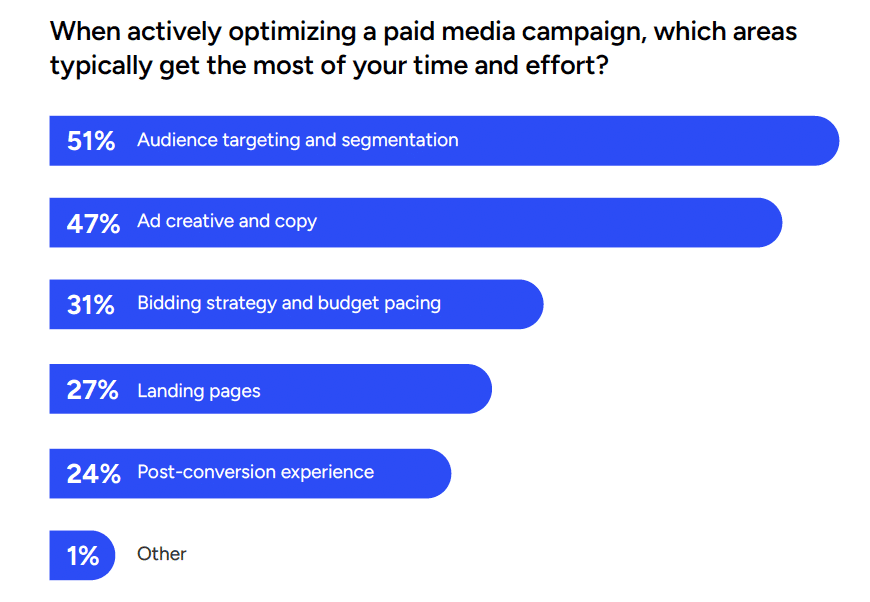
New research suggests marketers prioritize ad targeting and creative over the post-click experience, despite knowing the latter drives paid media ROI. This creates a clear disconnect between stated knowledge and budget allocation.