Ad Tech|Index 02
Salesforce's AI Woes Highlight Enterprise Data Readiness Problem
Salesforce's AI adoption challenges reveal a universal truth: advanced tools are useless without clean data. Tokyo marketers face amplified versions of these data readiness hurdles.
- Via
- ADVERTISE TOKYO Editors
- Dateline
- TOKYO, Japan — July 17, 2026
- Date
- July 17, 2026
- Time
- 5 min read
Source
MarTech.org
Tagline
Enterprise AI adoption blocked by dirty data.
Who & For What
For a Tokyo-based CMO or MarTech lead at a JTC considering enterprise AI solutions, this highlights the critical data infrastructure work required before any significant AI deployment.
vs. Japan Play
This contrasts with domestic system integrators or agencies like Dentsu Digital who often propose AI solutions without fully addressing the underlying data readiness within Japanese enterprises.
Tokyo Take
Japanese enterprises, often burdened by legacy systems and departmental silos, face even steeper challenges in data unification. While domestic CDPs like KARTE offer solutions, the organizational will to clean and integrate data remains the primary hurdle for AI adoption in Tokyo.
Salesforce’s "Agentforce" initiative, designed to embed autonomous AI agents across its marketing and sales clouds, is encountering significant headwinds. As of mid-2026, enterprise clients are adopting these capabilities at a slower pace than anticipated, highlighting a broader industry challenge with AI deployment.
The core issue, as observed with Agentforce, is not the sophistication of the AI models themselves but the foundational data infrastructure within client organizations. Agentic AI (自律型AI), by design, requires clean, harmonized, and accessible data to perform tasks ranging from personalized content generation to automated campaign optimization. Many enterprise environments lack this prerequisite, rendering advanced AI tools less effective or even unusable.
This situation underscores a critical disconnect: while technology vendors push advanced AI solutions, many large brands have yet to establish the basic data hygiene and integration necessary for these tools to deliver on their promise. Investing in AI without first standardizing data inputs across CRM, ERP, and marketing automation platforms often leads to stalled projects and unmet expectations.
The slow adoption of advanced AI agents reveals that the bottleneck isn't the AI, but the readiness of enterprise data.
For a decade, marketers have been told that data is their most valuable asset. Yet, for many, this data remains fragmented across disparate systems, managed by different teams, and lacking consistent taxonomies. Salesforce’s experience with Agentforce suggests that the industry's focus must shift from merely acquiring AI tools to robust data governance and strategic data architecture.
This challenge is not unique to Salesforce. Competitors offering similar AI-driven automation within their marketing clouds, such as Adobe Experience Cloud or Oracle Marketing, likely face comparable hurdles. The promise of "AI-powered" marketing often overlooks the substantial pre-work required in data unification and process re-engineering.
Looking ahead, the slow uptake of agentic AI signals a necessary re-evaluation for brands. The immediate priority for any marketing department considering AI integration should be a comprehensive audit of their data landscape. Without a consolidated, high-quality data foundation, even the most advanced AI will struggle to move beyond pilot projects.
Related Stories
Ad Tech
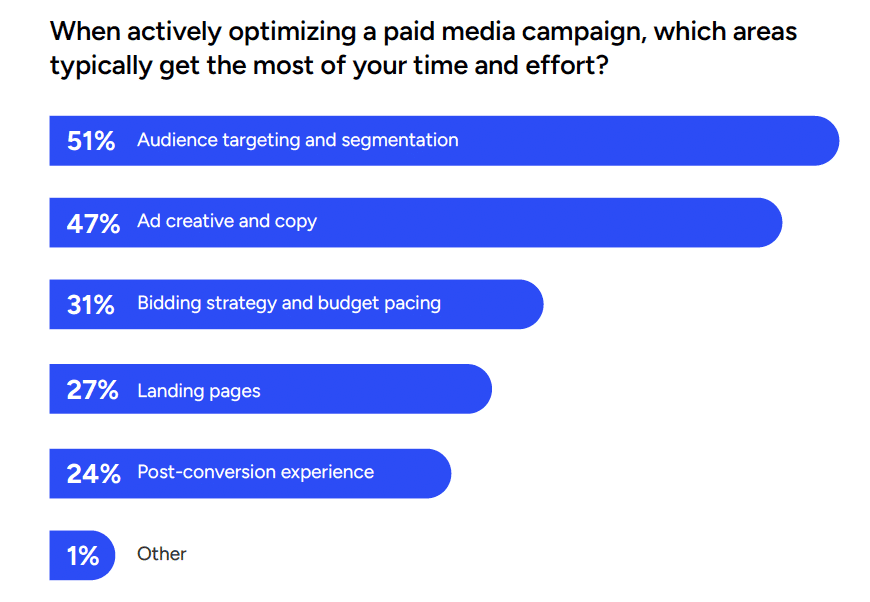
Marketers Miss Post-Click ROI Opportunities, Study Finds
New research suggests marketers prioritize ad targeting and creative over the post-click experience, despite knowing the latter drives paid media ROI. This creates a clear disconnect between stated knowledge and budget allocation.

Ad Tech
Marketers Demand Clearer Media Measurement, Challenging Ambiguity
Brands worldwide are pushing back against vague measurement standards, seeking direct links between ad spend and business outcomes. This shift redefines agency accountability.
Ad Tech
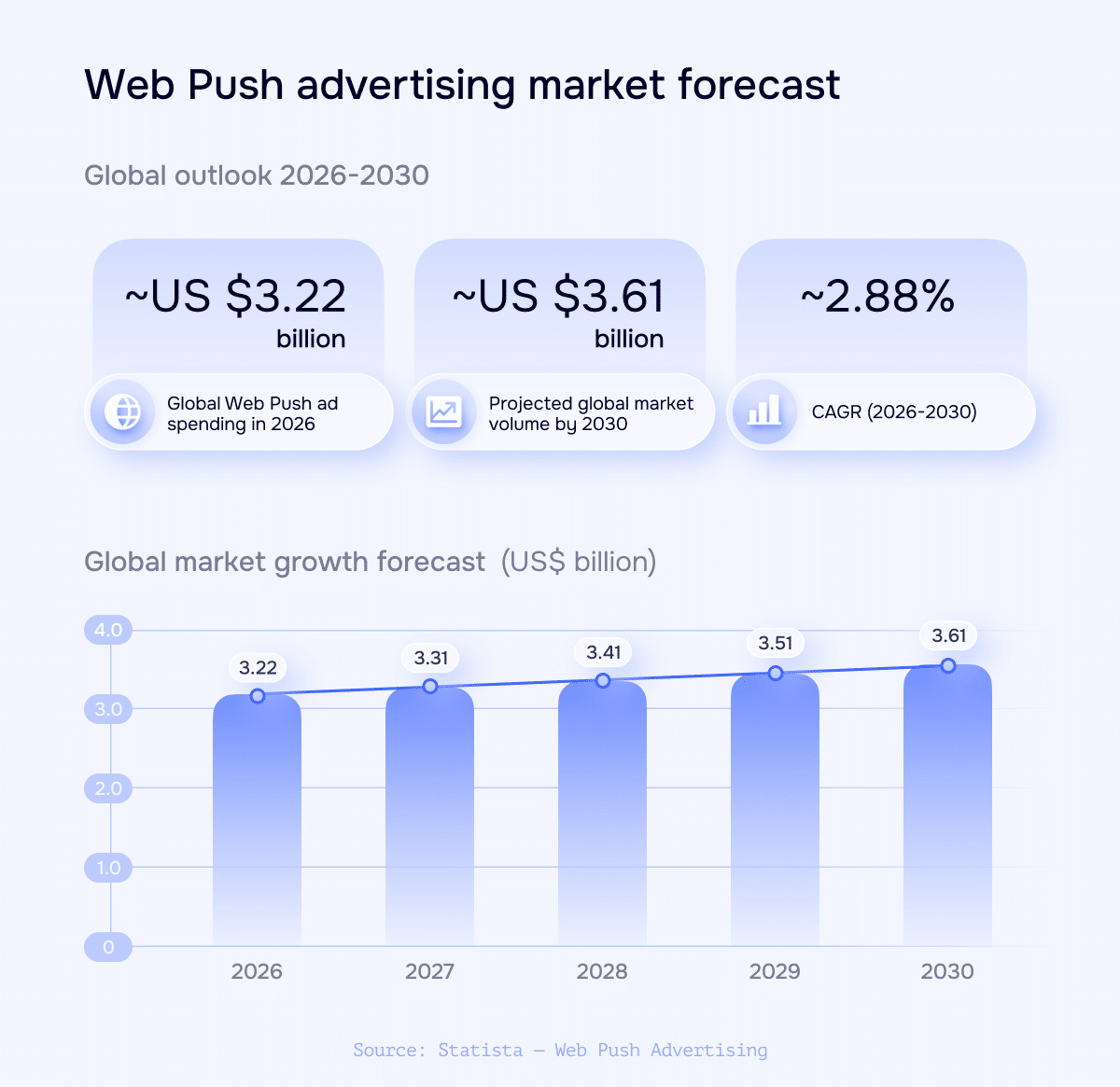
Web Push Ads Seek Legitimacy Amidst Maturing Market
The web push advertising sector, often associated with lower-quality traffic, is evolving in 2026. Industry players are focusing on stricter compliance and improved traffic quality to drive market growth and broader advertiser adoption.