Ad Tech|Index 01
Global Marketing Measurement Grapples with Complexity
As adtech tools proliferate and channels fragment, marketers worldwide face an escalating challenge in connecting campaign activity to tangible outcomes. The promise of unified measurement remains distant.
- Via
- ADVERTISE TOKYO Editors
- Dateline
- TOKYO
- Date
- June 5, 2026
- Time
- 5 min read
Source
MarTech.org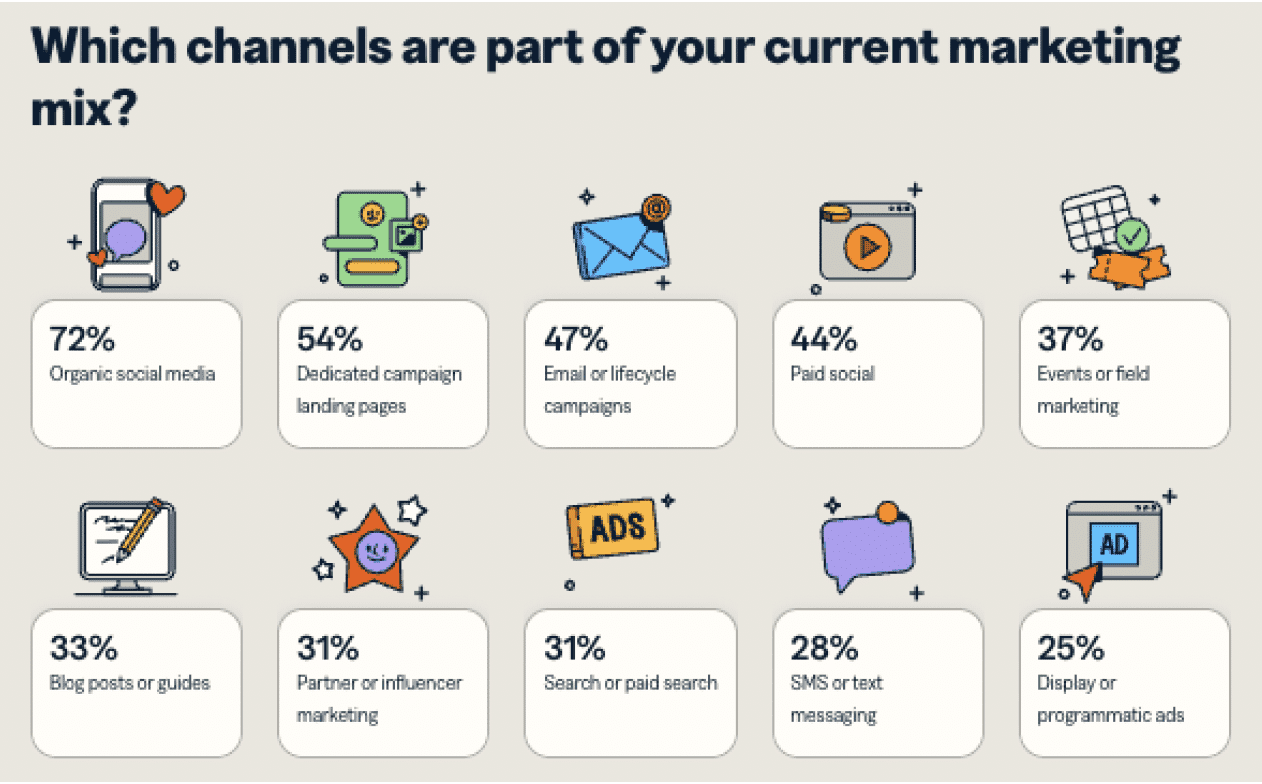
Tagline
Measurement complexity outpaces marketer capabilities
Who & For What
For a Tokyo-based CMO or adtech lead struggling to reconcile disparate data sources and prove campaign ROI across fragmented channels, seeking pragmatic measurement solutions.
vs. Japan Play
This global trend directly challenges the integrated measurement offerings typically provided by major Japanese agencies like Dentsu or Hakuhodo, highlighting that even comprehensive agency solutions struggle with true cross-platform unification.
Tokyo Take
Tokyo marketers must prioritize pragmatic incrementality testing and local channel expertise over chasing elusive global unified measurement. Japan's dense urban environment and unique platform ecosystem demand bespoke, not standardized, attribution approaches.
Global marketing measurement faces increasing strain as the sheer volume of adtech tools, media channels, and data sources escalates, making it difficult for marketers to accurately attribute outcomes. This trend, observed as early as 2026, highlights a persistent industry challenge where the ambition for precise, unified measurement often collides with the operational realities of fragmented ecosystems.
The core issue stems from an explosion of touchpoints. From evolving social platforms and burgeoning retail media networks (RMNs) to fragmented CTV (Connected TV) environments, each channel generates its own data silo. Marketers are tasked with piecing together disparate metrics from Google Ads, Meta, TikTok, various DSPs, and first-party customer data platforms (CDPs), often leading to more time spent on data reconciliation than on strategic insight generation.
Traditional measurement approaches like Marketing Mix Modeling (MMM) struggle with the speed and granularity required by modern campaigns, while Multi-Touch Attribution (MTA) models are losing efficacy due to tightening privacy regulations and identity signal loss. The industry is effectively caught between legacy systems that are too slow and newer methods that are too data-poor or privacy-constrained.
More tools, more channels, and more data have left many marketers struggling to connect activity to outcomes.
Vendors frequently offer specialized solutions, from incrementality testing platforms to advanced attribution software, yet these often add another layer of complexity rather than simplifying the overall picture. The promise of an 'AI-powered' solution often amounts to little more than sophisticated statistical modeling repackaged, failing to address the fundamental fragmentation of data ownership and access.
For marketers, this means a constant struggle to prove ROI, justify budgets, and optimize spend with confidence. The lack of a clear, unified view can lead to suboptimal resource allocation and a reactive rather than proactive approach to media planning and creative execution. The ideal of a single source of truth for marketing performance remains a distant goal, compelling brands to adopt pragmatic, often imperfect, measurement strategies.
Related Stories

Ad Tech
Publicis and The Trade Desk Settle Programmatic Data Dispute
The two adtech giants confirmed a resolution to their long-running conflict over data access and agency programmatic buying strategies, though terms remain confidential.
Ad Tech
Email Deliverability Rules Tighten for Bulk Senders
Google, Yahoo, and Microsoft are implementing stricter email authentication requirements, mandating DMARC for bulk senders. This change impacts how marketers ensure their emails reach inboxes.
Ad Tech
Brands Lag Consumer AI Expectations
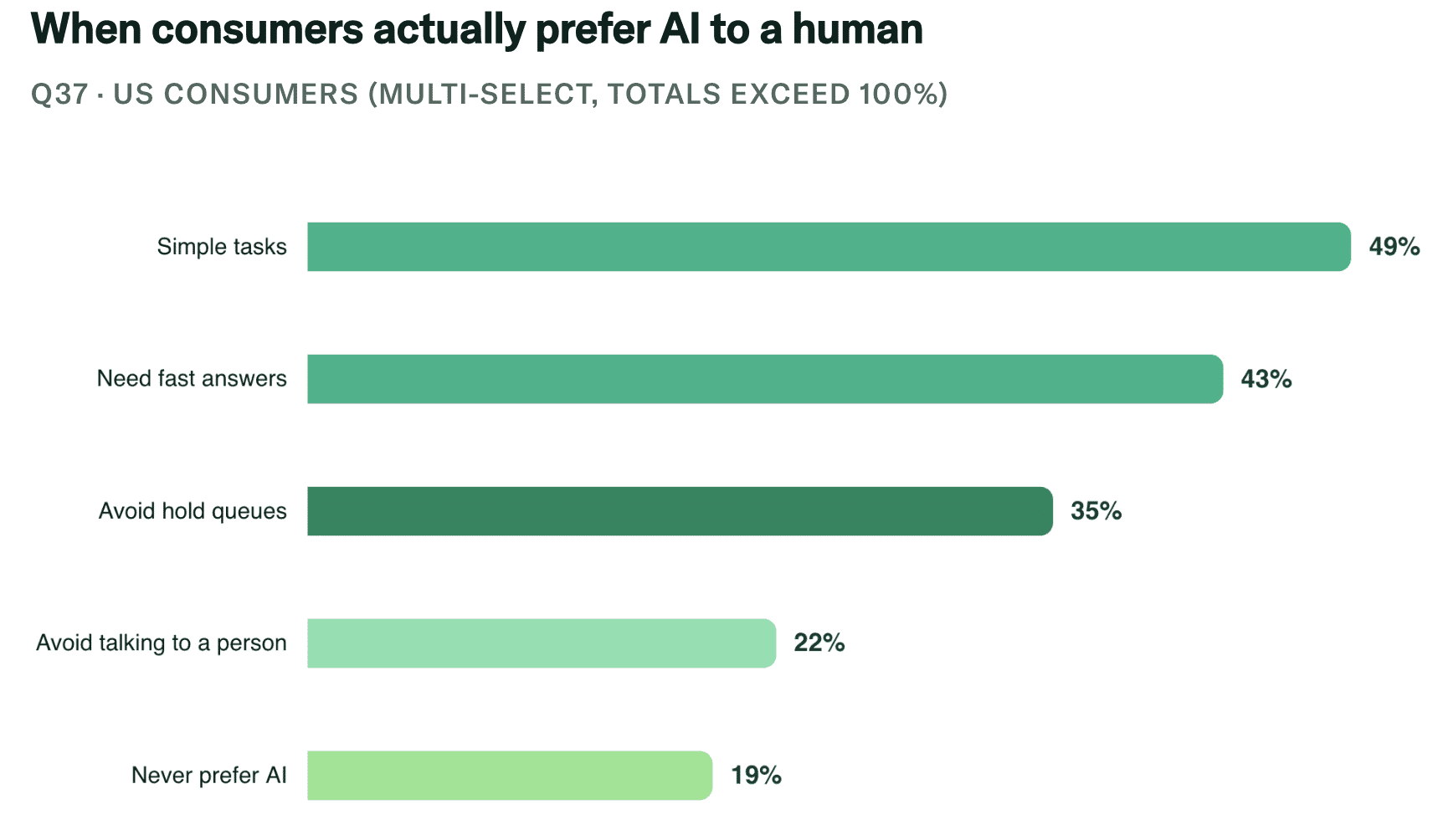
New research indicates a growing consumer appetite for AI-driven interactions, yet many brands remain unprepared to deliver them effectively.