Ad Tech|Index 02
LLM Honeypotting: A New Frontier for First-Party Data
Advertisers are deploying AI-driven content and interactive experiences to subtly gather first-party data, prompting a re-evaluation of transparency and user consent.
- Via
- ADVERTISE TOKYO Editors
- Dateline
- July 17, 2026
- Date
- July 17, 2026
- Time
- 5 min read
Source
Digiday
Tagline
AI-driven content for first-party data extraction.
Who & For What
For a Tokyo-based performance marketer or brand strategist exploring new first-party data acquisition methods amidst privacy shifts, looking for alternatives to traditional tracking.
vs. Japan Play
This approach differs from typical Japanese CDP implementations or LINE Ads Platform data enrichment by creating *active*, AI-driven engagement for data capture rather than passively collecting or integrating existing data.
Tokyo Take
While the concept is global, its immediate application in Japan faces challenges: consumer trust in AI-driven data collection is nascent, and platforms like LINE or Yahoo! JAPAN already offer robust first-party data solutions within their ecosystems. Japanese brands should observe international trends but prioritize transparent value exchange over opaque data extraction.
The advertising industry is exploring "LLM honeypotting," a tactic where large language models (LLMs) create dynamic, interactive content designed to attract users and subtly extract valuable first-party data. This approach moves beyond passive content consumption, turning user engagement with AI into a direct data collection channel.
This shift is a direct response to the increasing restrictions on third-party cookies and the broader demand for privacy-compliant data. Instead of relying on external trackers, brands are building owned AI experiences that provide a seemingly personalized interaction while simultaneously mapping user preferences, intent signals, and behavioral patterns.
An LLM honeypot might manifest as an AI-powered chatbot offering personalized product recommendations, an interactive content hub adapting its narrative based on user input, or even a branded virtual assistant. Each interaction, query, and choice made by the user provides granular data points, which are then used to refine targeting segments, personalize future communications, or even inform product development. The goal is to make the data collection feel organic and value-driven for the user.
Agencies and brands are investing in proprietary LLM infrastructure or partnering with specialized AI vendors to develop these systems. The immediate appeal lies in generating rich, consent-based first-party data directly from consumer engagement, circumventing traditional data brokers. This data offers a deeper understanding of individual consumer journeys than aggregated analytics typically provide.
The ethical implications are significant. While presented as personalized service, the underlying intent is commercial. Transparency around data usage and the commercial nature of the AI interaction remains a challenge. Regulators are still catching up to the nuances of AI-driven data collection, making this a grey area for many marketers.
"The line between helpful AI and a sophisticated data trap is becoming increasingly blurred," one agency executive noted, highlighting the industry's struggle with ethical deployment.
The core challenge for LLM honeypotting, and indeed for any advanced AI in marketing, will be establishing a new social contract between brands and consumers. As these technologies evolve, their implications extend beyond Earth-bound digital advertising into emerging digital realities, potentially shaping how identities, interactions, and commerce are constructed in nascent virtual worlds or even future off-world economies. The principles of data transparency and user value, honed in today's digital landscape, will become foundational for any truly expansive and ethical application of AI, whether on this planet or beyond.
Related Stories

Ad Tech
Salesforce's AI Woes Highlight Enterprise Data Readiness Problem
Salesforce's AI adoption challenges reveal a universal truth: advanced tools are useless without clean data. Tokyo marketers face amplified versions of these data readiness hurdles.
Ad Tech
Marketers Miss Post-Click ROI Opportunities, Study Finds
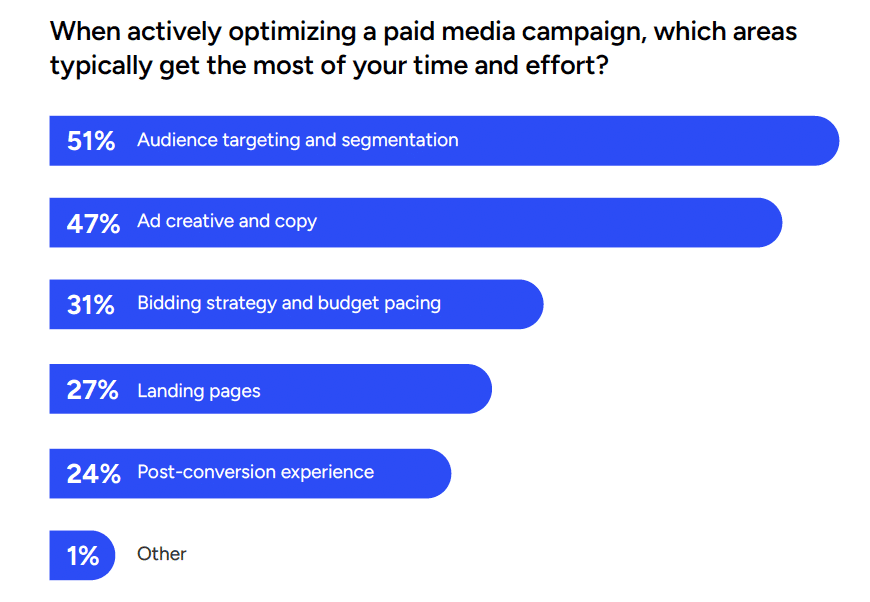
New research suggests marketers prioritize ad targeting and creative over the post-click experience, despite knowing the latter drives paid media ROI. This creates a clear disconnect between stated knowledge and budget allocation.

Ad Tech
Martech's Quiet Reshaping: Beyond AI Hype
While AI captures headlines, marketers are quietly focusing on practical shifts in stack consolidation, advanced measurement, and flexible content strategies.