Ad Tech|Index 05
Marketing's Profit Gap: From Dashboards to Boardroom Impact
Marketing dashboards excel at campaign metrics, but linking customer behavior to profit and growth remains a strategic challenge for CMOs.
- Via
- ADVERTISE TOKYO Editors
- Dateline
- TOKYO, October 23, 2026
- Date
- October 23, 2026
- Time
- 6 min read
Source
MarTech.org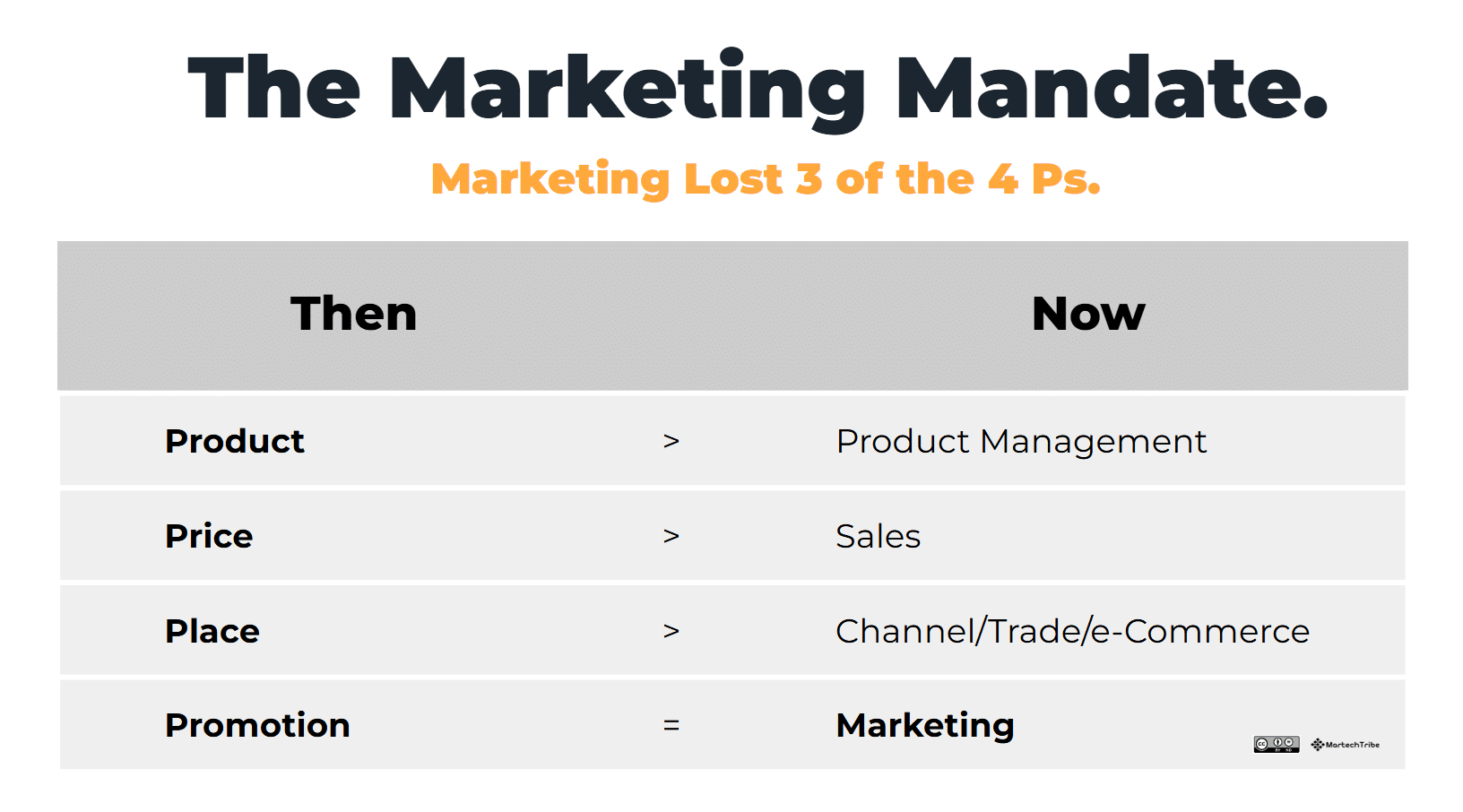
Tagline
Bridging marketing metrics to CEO-level profit goals.
Who & For What
For a Tokyo-based CMO or marketing director at a large Japanese enterprise, struggling to articulate the direct financial impact of brand campaigns or digital spend to their board, this highlights the necessity of advanced measurement frameworks.
vs. Japan Play
This challenges the common Japanese agency playbook of reporting campaign KPIs (e.g., reach, engagement) without robust incrementality or profit linkage, pushing beyond standard Dentsu/Hakuhodo post-campaign reports.
Tokyo Take
The challenge of connecting marketing spend to profit is universal, but in Japan, deeply ingrained agency structures often prioritize media buying efficiency over holistic business impact. Japanese marketers must push for data integration across departments, not just within marketing, to build a credible narrative.
The ongoing challenge for marketing leaders globally, highlighted this week by MarTech.org, is the persistent gap between campaign-level metrics and tangible business outcomes like profit and market share. While marketing dashboards effectively track immediate campaign performance—clicks, impressions, conversions—they often fall short in demonstrating direct causality to a CEO's top-line financial goals. This disconnect forces CMOs to bridge a reporting chasm that traditional analytics tools struggle to span.
This issue is not new, but it intensifies as marketing budgets face increased scrutiny and demand for demonstrable ROI. The problem lies in the inherent design of many marketing measurement systems, which are optimized for tactical reporting rather than strategic business impact. They tell marketers what is performing, but not how much that performance contributes to the company's P&L, or why a particular customer behavior translates into sustained growth.
Addressing this requires a shift from mere data aggregation to predictive analytics and incrementality testing. Marketers need to move beyond last-click attribution and embrace models that quantify the true incremental value of each marketing touchpoint. This involves integrating marketing data with sales, finance, and customer lifetime value (CLV) data, often residing in disparate systems. The goal is to build a unified view that connects specific marketing investments to changes in customer acquisition cost (CAC), retention rates, and ultimately, shareholder value.
Marketing metrics show what happened in a campaign. The harder job is connecting customer behavior to growth, margin, and profit.
This discussion echoes conversations seen across major consultancies and adtech vendors, all attempting to solve the "last mile" problem of marketing attribution. Companies like Analytic Partners and Nielsen, alongside in-house data science teams at large enterprises, have long championed sophisticated Marketing Mix Modeling (MMM) and incrementality frameworks. The challenge remains the operationalization of these models for daily decision-making, especially for marketers lacking dedicated data science resources. The industry continually seeks solutions that simplify this complex integration, from advanced CDPs (Customer Data Platforms) to AI-driven insights platforms, but the fundamental data hygiene and strategic alignment remain critical.
The increasing availability of AI tools promises to automate some of the analytical heavy lifting, but these tools are only as effective as the underlying data quality and the strategic questions they are asked to answer. The next phase will likely involve platforms that offer more prescriptive insights, not just descriptive reports, enabling marketers to forecast the financial impact of different budget allocations or campaign strategies before execution. However, the human element—the ability of a CMO to interpret these insights and articulate them clearly to a board—will remain paramount.
Related Stories
Ad Tech
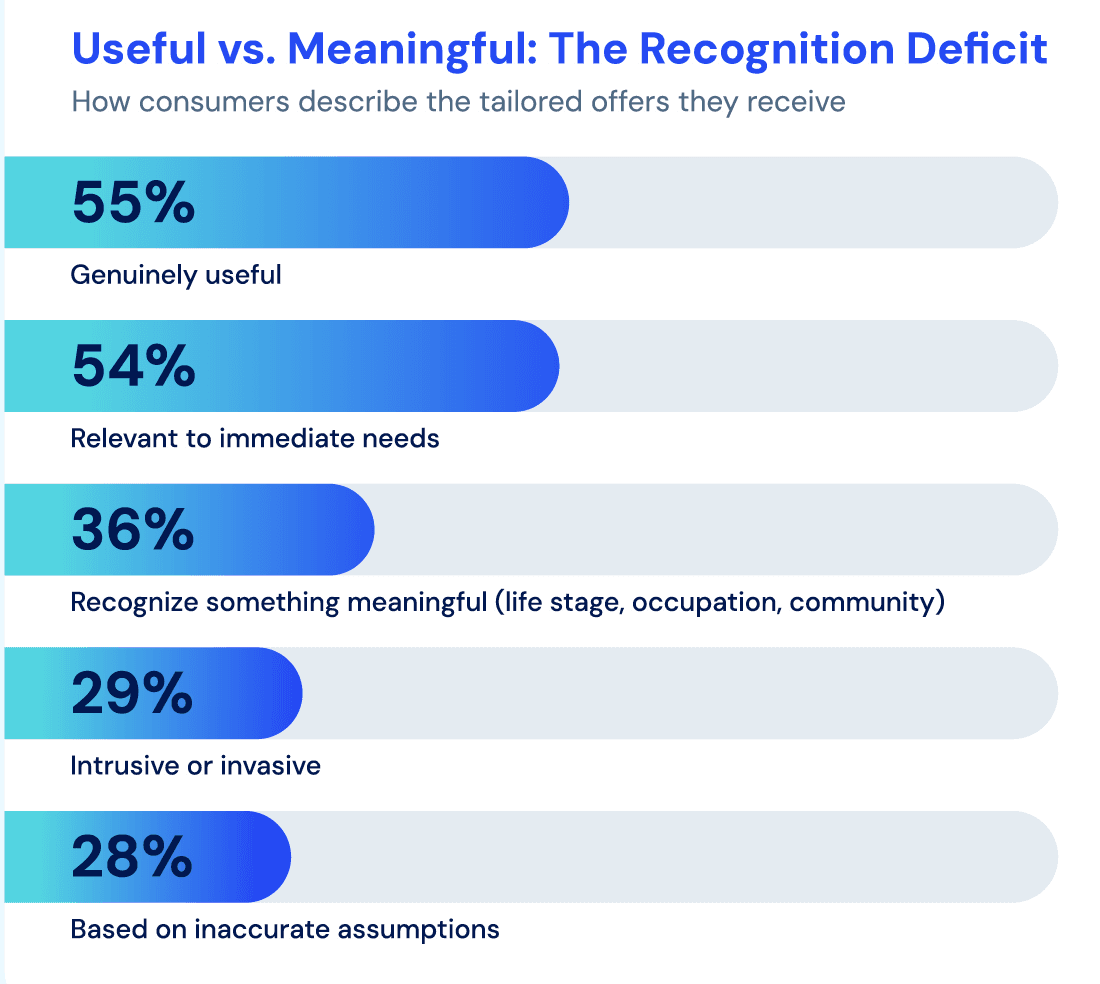
Personalization's Identity Crisis: Beyond Transactional Offers
Brands struggle to move past behavioral data to truly recognize customers, risking alienation as consumers demand more than just tailored offers.

Ad Tech
AI Drives Discovery, Human Reviews Seal Purchase
New research shows algorithms surface products, but social proof from peers remains the ultimate conversion driver. Marketers must balance AI reach with authentic user-generated content strategies.

Ad Tech
Omnicom's Data Integration Nears Completion, Showing Early Returns
The agency holding company's push to unify internal data and media platforms is yielding measurable improvements in campaign performance and efficiency, setting a precedent for global operations.