Ad Tech|Index 05
Omnicom's Data Integration Nears Completion, Showing Early Returns
The agency holding company's push to unify internal data and media platforms is yielding measurable improvements in campaign performance and efficiency, setting a precedent for global operations.
- Via
- ADVERTISE TOKYO Editors
- Dateline
- October 22, 2026
- Date
- October 22, 2026
- Time
- 6 min read
Source
Digiday
Tagline
Omnicom unifies data across agencies, showing early results.
Who & For What
For a global brand manager overseeing multi-market media buys, this outlines how major holding companies are streamlining data and tech for more consistent campaign performance reporting and optimization across regions.
vs. Japan Play
This contrasts with the often more siloed approach of Japanese holding companies like Dentsu or Hakuhodo, where individual agencies or divisions might operate with less centralized data platforms, making cross-agency optimization more complex.
Tokyo Take
While Omnicom's global platform offers consolidated reporting, a Tokyo marketer might find that local media inventory and audience data (especially for platforms like LINE or TVer) still require specific Japanese agency expertise and local platform integrations not fully covered by global systems. The direct impact on a domestic-only brief this quarter is likely minimal, but it signals the direction for global clients.
Omnicom has signaled that its extensive internal data and platform integration efforts, which some industry reports refer to as "IPG integration," are nearing completion, with initial performance gains now evident. This move by the global agency holding company is designed to consolidate various client data streams and media activation tools under a more unified architecture. The objective is to enhance the precision and efficiency of media buying across its vast network of agencies worldwide.
The significance lies in addressing the persistent challenge of fragmented data and siloed operations within large agency groups. By bringing together first-party client data, third-party audience insights, and media inventory data, Omnicom aims to offer a more coherent and measurable approach to campaign execution. This integration promises to streamline workflows, improve cross-channel optimization capabilities, and ultimately deliver a clearer picture of return on advertising spend (ROAS) for clients. It represents a strategic pivot towards leveraging proprietary technology to gain a competitive edge in an increasingly complex digital media landscape.
How the integration functions
At its core, this initiative likely leverages Omnicom's Omni operating system, a data orchestration platform designed to connect disparate data points across various media channels and client engagements. Omni enables agencies within the Omnicom network to access a centralized repository of audience segments, campaign performance metrics, and creative assets. This allows for more agile planning, real-time campaign adjustments, and more sophisticated attribution modeling, moving beyond last-click metrics. The integration seeks to empower media planners and buyers with a more comprehensive view of the consumer journey, facilitating more impactful budget allocation.
The results are starting to show it, indicating the tangible benefits of unified data infrastructure.
This push for internal platform consolidation is not unique to Omnicom. Competitors like Publicis Groupe have developed their own AI-driven platform, Marcel, to foster collaboration and data sharing across their agencies. Similarly, WPP has invested heavily in Choreograph, its global data products and technology company, to centralize data assets and provide advanced analytics. The common thread among these holding companies is the recognition that proprietary data and integrated technology stacks are crucial for delivering incremental value to clients in a privacy-centric, cookieless future.
What comes next
The industry will be closely watching for detailed case studies and client testimonials that quantify the impact of Omnicom's integration on actual campaign outcomes. The true test will be whether these consolidated platforms can consistently outperform campaigns run on less integrated systems, particularly in areas like audience reach, engagement rates, and measurable sales uplift. Success here could dictate further investment trends, influencing whether brands prioritize agencies with robust proprietary tech or continue to rely on external adtech vendors for specialized solutions. The ability to demonstrate clear incrementality will be key to justifying these significant internal investments.
The drive to unify data and predict consumer behavior, even within the confines of terrestrial advertising, reflects a deeper human impulse to map and understand complex systems. Should humanity ever expand its economic activities beyond Earth, to orbital colonies or distant planets, the fundamental challenges of resource allocation, audience targeting, and measurable impact will persist. The principles refined in integrating disparate data points from Earth-bound consumers might well lay the groundwork for understanding and influencing markets in future off-world economies, where communication channels and cultural nuances could be entirely novel.
Related Stories
Ad Tech
Integrated Adtech Platforms Consolidate Media Buying and Intelligence
As digital advertising fragments across channels and data silos, platforms are consolidating supply, demand, and data intelligence to offer marketers a single operating picture.

Ad Tech
Salesforce acquires Braze, aiming for integrated customer activation
The $5.7 billion deal could bridge data and real-time engagement, but integration complexity remains a core challenge for marketers.
Ad Tech
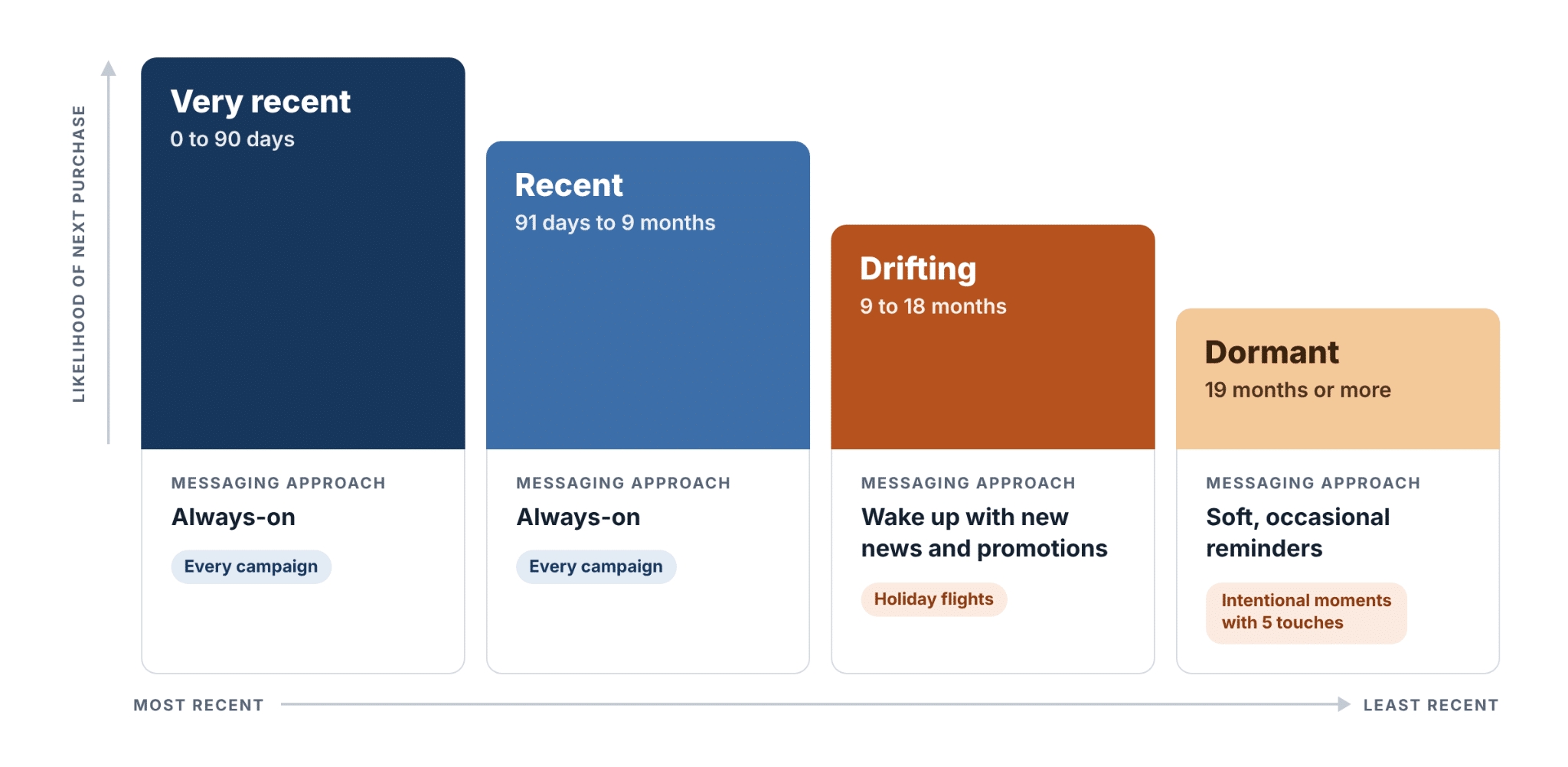
Recency-Based CRM Segmentation for Holiday Repeat Purchases
MarTech.org outlines a fundamental CRM strategy: segmenting customers by purchase recency to drive repeat purchases during holiday seasons, coordinating outreach across email and paid media channels for optimal resource allocation.