Ad Tech|Index 02
Marketers Demand Clearer Media Measurement, Challenging Ambiguity
Brands worldwide are pushing back against vague measurement standards, seeking direct links between ad spend and business outcomes. This shift redefines agency accountability.
- Via
- ADVERTISE TOKYO Editors
- Dateline
- NEW YORK, 2026-07-16
- Date
- July 16, 2026
- Time
- 5 min read
Source
Digiday
Tagline
Marketers demand clearer measurement, shifting agency accountability.
Who & For What
For Tokyo-based brand managers and media planners navigating complex cross-platform buys, this trend highlights the need to scrutinize agency reporting and push for transparent, outcome-linked attribution models.
vs. Japan Play
This challenges the traditional Dentsu/Hakuhodo bundled media buy model, where measurement often aligns with proprietary inventory. It pushes for independent MMM or direct platform reporting, beyond agency-optimized metrics.
Tokyo Take
While global brands push for AI-driven attribution, Tokyo marketers first need to establish common, verifiable ground for assessing media effectiveness across Japan's unique platform mix and traditional agency structures. Expect slow but steady pressure.
As of mid-2026, a growing number of global marketers are fundamentally re-evaluating their approach to media measurement. Instead of passively accepting standard reporting, brands are now actively questioning the ambiguity inherent in many current attribution models and performance metrics. This represents a significant pivot from past practices, where budget allocation often relied on broad assumptions rather than precise outcome correlation.
The impetus for this shift stems from increased pressure on marketing budgets and a demand for greater accountability. CMOs are under scrutiny to demonstrate clear ROI, driving a need for measurement that directly links media spend to tangible business results, such as sales or customer acquisition, rather than proxy metrics. The complexity of the modern media landscape, fragmented across CTV (connected TV), retail media networks (RMNs), and diverse digital platforms, has exacerbated the challenge of unified, reliable measurement.
This new skepticism manifests in several ways. Brands are increasingly demanding custom measurement frameworks, engaging independent third-party verification services, and investing in advanced econometric modeling (MMM) to understand true incrementality. They are also pushing their agency partners for greater transparency in reporting and a move towards outcome-based compensation models. The focus is moving beyond basic viewability to more sophisticated attention metrics, which aim to quantify actual consumer engagement.
This trend builds on years of industry discussion around ad fraud and the limitations of last-click attribution. The deprecation of third-party cookies further complicates cross-platform tracking, forcing brands and platforms to innovate identity solutions and measurement methodologies. Retail media networks, while offering rich first-party data, often present their own proprietary measurement, adding another layer of complexity for brands seeking a holistic view.
The industry consensus is that the old ways are no longer sufficient.
"The era of accepting opaque measurement reports is over; brands now demand direct links to business outcomes."
This sentiment reflects a broader maturity in digital advertising, where sophisticated brands are less willing to fund campaigns based on metrics that cannot withstand rigorous internal scrutiny.
Looking ahead, expect a continued push for open-source measurement standards and greater interoperability between different platforms' data sets. Agencies that can demonstrate truly independent, outcome-focused measurement will gain a competitive edge. The shift will also accelerate the development of AI-driven attribution tools that can process vast datasets to identify causal relationships more accurately, though these too will face scrutiny regarding their underlying models and data biases.
Related Stories
Ad Tech
Web Push Ads Seek Legitimacy Amidst Maturing Market
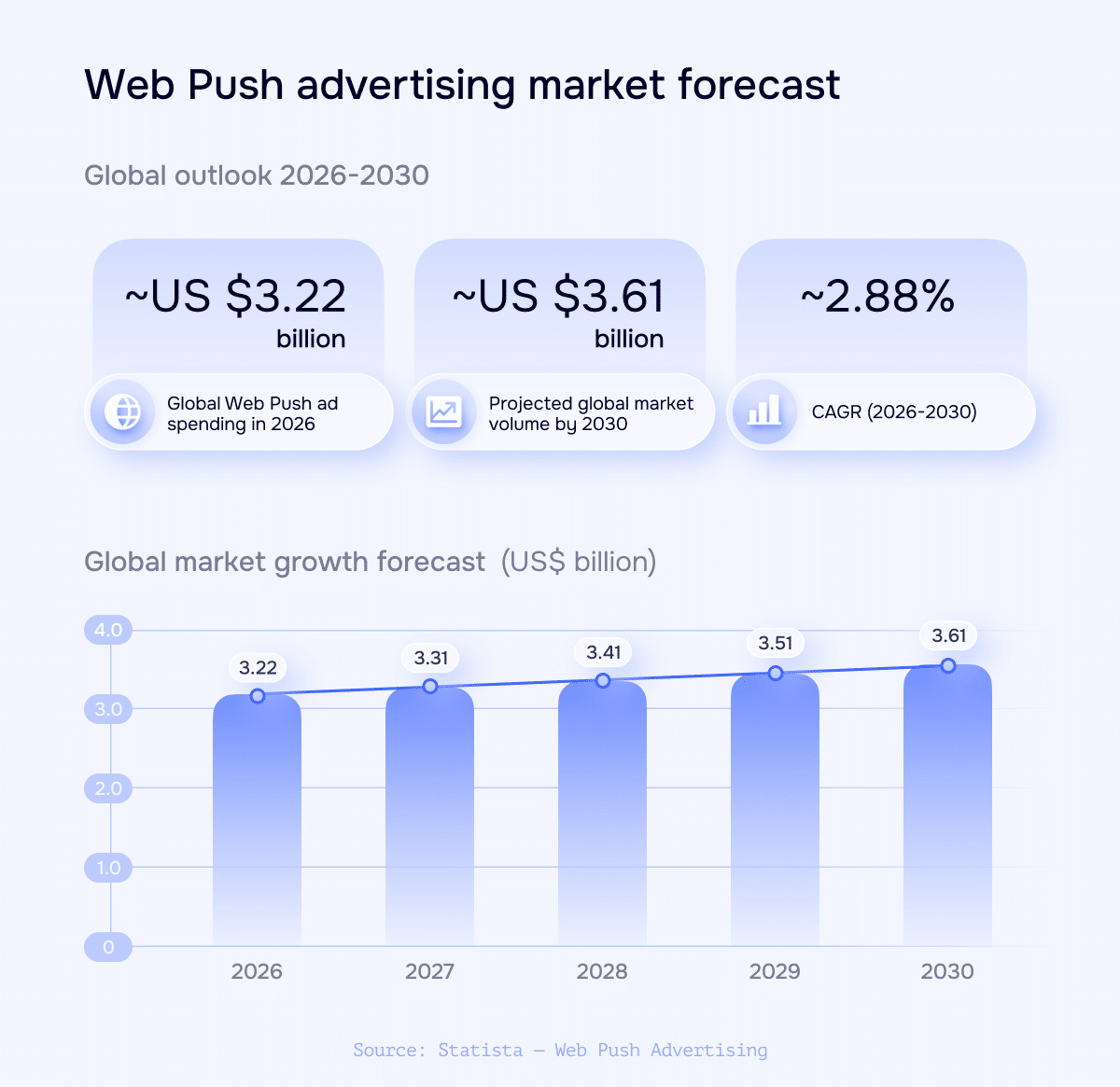
The web push advertising sector, often associated with lower-quality traffic, is evolving in 2026. Industry players are focusing on stricter compliance and improved traffic quality to drive market growth and broader advertiser adoption.

Ad Tech
Beyond Ad Spend: Proving Performance Before Scaling
Increasing marketing budgets without validating their incremental impact risks significant waste. Marketers must prioritize testing frameworks over simple spend growth.

Ad Tech
AI Data Infrastructure: Start Small, Deliver Value Quickly
Building a comprehensive data foundation for AI is a common aspiration, but the most effective path often involves solving one specific problem at a time to generate immediate returns.