Ad Tech|Index 05
Stagwell's Freestar Acquisition Blurs Publisher Ad Sales and Agency Lines
A major marketing holding company moves into publisher ad monetization, signaling a shift in how agencies seek growth and manage media supply. The move raises questions about potential conflicts of interest and new revenue models.
- Via
- ADVERTISE TOKYO Editors
- Dateline
- Tokyo, October 26, 2026
- Date
- October 26, 2026
- Time
- 6 min read
Source
Digiday
Tagline
Stagwell buys publisher ad tech, blurring agency-publisher lines.
Who & For What
For a media planner at a global agency's Tokyo office or a publisher ad operations lead, understanding how holding companies are integrating supply-side tech for new revenue models and potential efficiencies.
vs. Japan Play
This differs from the traditional Dentsu/Hakuhodo model where agencies have deep, often equity-based, ties with media companies but typically don't own pure-play publisher monetization tech, offering a more direct, tech-driven supply-side integration.
Tokyo Take
While US holdcos integrate publisher ad tech, Japan's media landscape, with its strong direct publisher sales and integrated agency networks, means this specific model won't directly change a Tokyo marketer's Q4 media plan.
Stagwell, one of the larger global marketing holding companies, has acquired Freestar, a technology provider specializing in publisher ad monetization. The deal, reported on October 26, marks a notable expansion for a holdco into the supply-side mechanics of digital advertising, a domain traditionally separate from agency media buying.
Freestar offers a suite of tools and services designed to help digital publishers optimize their ad inventory, ranging from header bidding management to programmatic yield optimization. By integrating Freestar, Stagwell gains direct influence over how publisher ad space is sold and priced, a departure from the conventional agency role of solely representing advertisers' media buys. This acquisition points to a broader industry trend where holding companies explore new revenue streams beyond traditional agency fees.
The rationale for Stagwell extends beyond just technology ownership. Freestar's network spans over 300 publishers, generating significant ad revenue. For Stagwell, this represents not only a new revenue stream from publisher services but also a deeper understanding of the programmatic supply chain. This could potentially allow Stagwell to offer more integrated solutions to its brand clients, leveraging insights from both the buy-side and the sell-side.
This move is not without precedent in terms of agencies building out ad tech capabilities, but the direct acquisition of a pure-play publisher monetization platform by a major holdco is a distinct strategic shift. It echoes earlier attempts by agencies to control more of the ad tech stack, often through partnerships or smaller investments. However, outright ownership of a platform like Freestar positions Stagwell in a unique dual role: buying media for advertisers while helping publishers sell it.
The primary concern for some industry observers is the potential for conflict of interest. Agencies are expected to act as fiduciaries for their clients, ensuring the best media value. If a holdco owns a publisher monetization platform, questions arise about whether it might subtly favor inventory from its own ecosystem over other publishers.
The move by Stagwell to acquire Freestar and bring publisher ad sales inside a holdco is a significant blurring of the lines between demand and supply sides of the ad ecosystem.
Conversely, proponents argue that this integration could lead to greater transparency and efficiency. By having a foot in both camps, Stagwell might be able to streamline programmatic transactions, reduce ad fraud, and offer publishers more sophisticated yield management strategies that are informed by real-time buyer demand. For publishers, this could mean access to a broader pool of advertisers and more stable revenue streams.
Ultimately, this acquisition reflects the ongoing consolidation and redefinition within the digital advertising landscape. As traditional agency models face pressure, holding companies are diversifying their portfolios, seeking to capture value across the entire media supply chain. This move signals a future where the lines between ad tech vendor, media owner, and agency become increasingly indistinct, pushing the industry towards more integrated, albeit potentially more complex, ecosystems.
Related Stories

Ad Tech
Pinterest opens programmatic inventory to major DSPs
Pinterest integrates its ad inventory with major programmatic DSPs like Google DV360 and Amazon Ads DVA+, making its visual discovery platform more accessible for large-scale, automated media buys.
Ad Tech
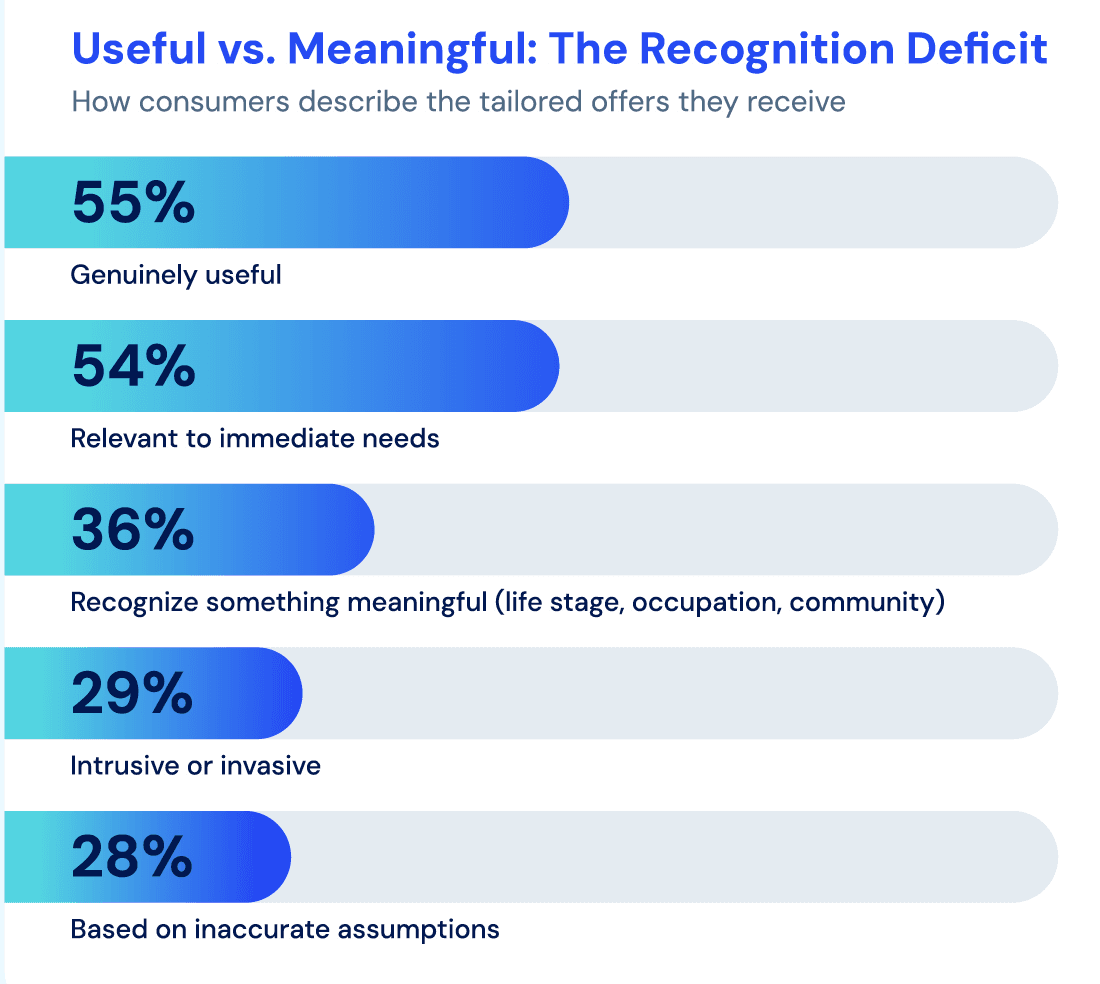
Personalization's Identity Crisis: Beyond Transactional Offers
Brands struggle to move past behavioral data to truly recognize customers, risking alienation as consumers demand more than just tailored offers.
Ad Tech
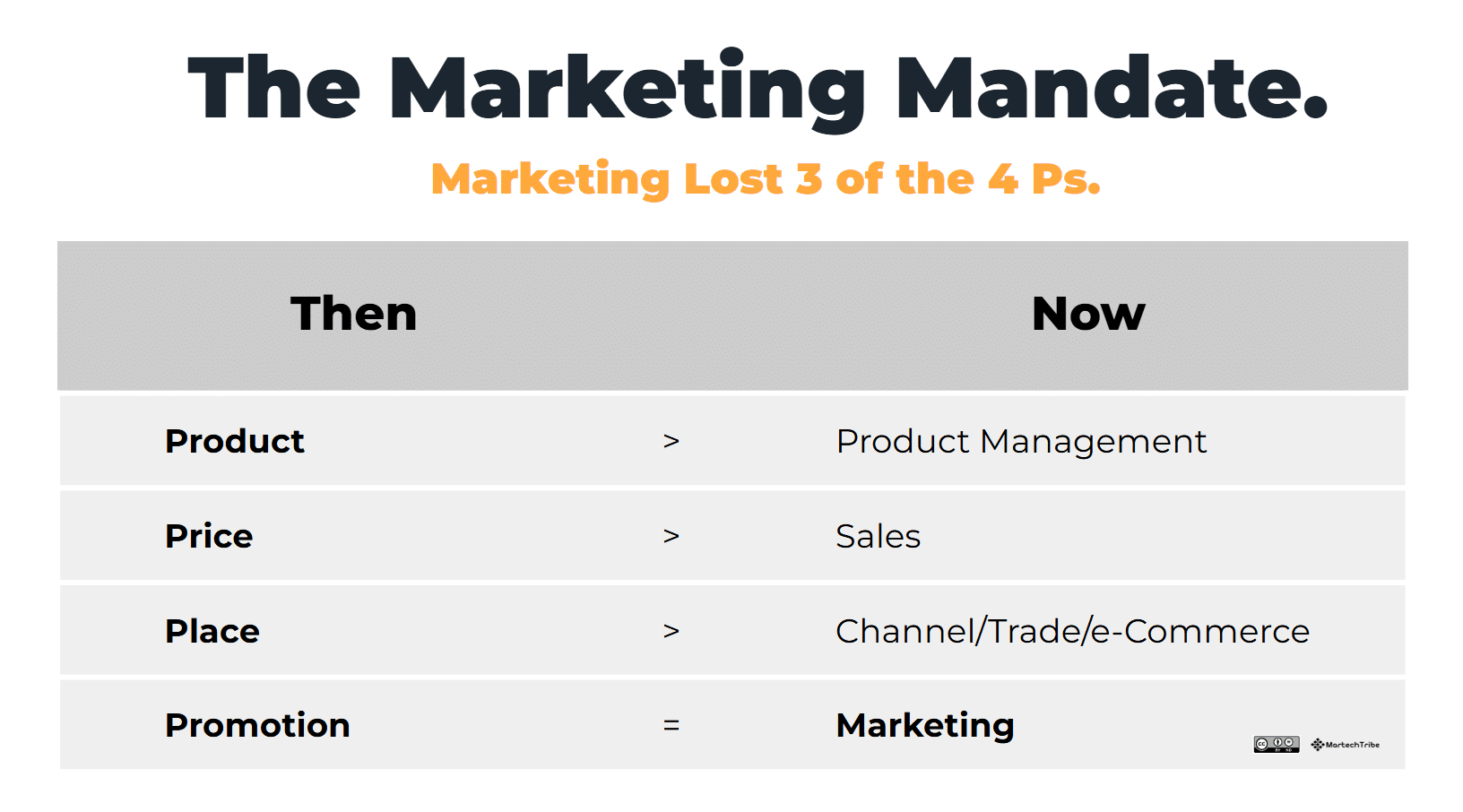
Marketing's Profit Gap: From Dashboards to Boardroom Impact
Marketing dashboards excel at campaign metrics, but linking customer behavior to profit and growth remains a strategic challenge for CMOs.