Ad Tech|Index 05
Transatlantic Alliance Confronts Advanced Ad Fraud Bots
A joint industry effort spanning North America and Europe is accelerating to curb sophisticated bot traffic, aiming to enhance media quality and safeguard advertiser spend across global programmatic ecosystems.
- Via
- ADVERTISE TOKYO Editors
- Dateline
- Tokyo, October 22, 2026
- Date
- October 22, 2026
- Time
- 6 min read
Source
Digiday
Tagline
Global ad industry tackles advanced bot fraud.
Who & For What
For media planners and performance marketers in Tokyo evaluating global programmatic buys, this outlines evolving standards in ad fraud detection that directly impact campaign efficiency.
vs. Japan Play
While major Japanese agencies employ fraud detection, this transatlantic initiative pushes for unified, advanced SIVT standards that often exceed current local baselines, offering a more robust global benchmark.
Tokyo Take
The global push against sophisticated ad fraud compels Tokyo marketers to scrutinize media quality. While domestic platforms have measures, global SIVT standards often highlight gaps in local programmatic buys, urging closer review of verification partners.
A concerted transatlantic initiative is gaining momentum, uniting major advertising industry bodies from North America and Europe to combat the rising threat of “stealth bots” in digital media buying. This collaborative push, involving organizations like the ANA, IAB, and MRC, targets sophisticated invalid traffic (SIVT) that evades conventional detection methods, siphoning off advertising budgets and distorting campaign performance data.
The core problem lies in the increasing sophistication of ad fraud. These stealth bots mimic human behavior with growing precision, making it difficult for advertisers and platforms to distinguish legitimate impressions from fraudulent ones. The financial drain is substantial, with billions of dollars annually lost to invalid traffic globally, undermining trust in programmatic advertising and skewing critical measurement metrics.
The joint effort aims to establish unified standards and best practices for SIVT detection and mitigation. This includes sharing threat intelligence, developing advanced verification technologies, and updating industry guidelines to reflect the evolving nature of bot fraud. The goal is to create a more transparent and accountable media supply chain, ensuring that advertisers' investments reach genuine human audiences.
The sophistication of these bots means that traditional detection methods are often insufficient.
This is not the industry's first encounter with ad fraud, but the current initiative reflects a recognition that a fragmented approach is no longer viable. Previous efforts primarily focused on basic invalid traffic (IVT), such as data center traffic or simple botnets. The current focus on SIVT acknowledges that generative AI and other advanced techniques are enabling bots to simulate more complex user interactions, demanding a more robust and collective defense.
For advertisers, the outcome of this transatlantic push will ideally be cleaner media inventory and more reliable campaign data. It should lead to more efficient budget allocation and a clearer understanding of return on ad spend. Platforms and ad tech vendors will face pressure to adopt these new standards, integrating advanced SIVT detection into their offerings, which could reshape the landscape of ad verification services.
Marketers should closely monitor the adoption rates of these new standards by their media partners and ad verification vendors. The effectiveness of this initiative will hinge on its widespread implementation across the programmatic ecosystem. As these standards mature, they will provide a stronger framework for evaluating media quality, potentially shifting how media is planned and bought globally in the coming quarters.
Related Stories
Ad Tech
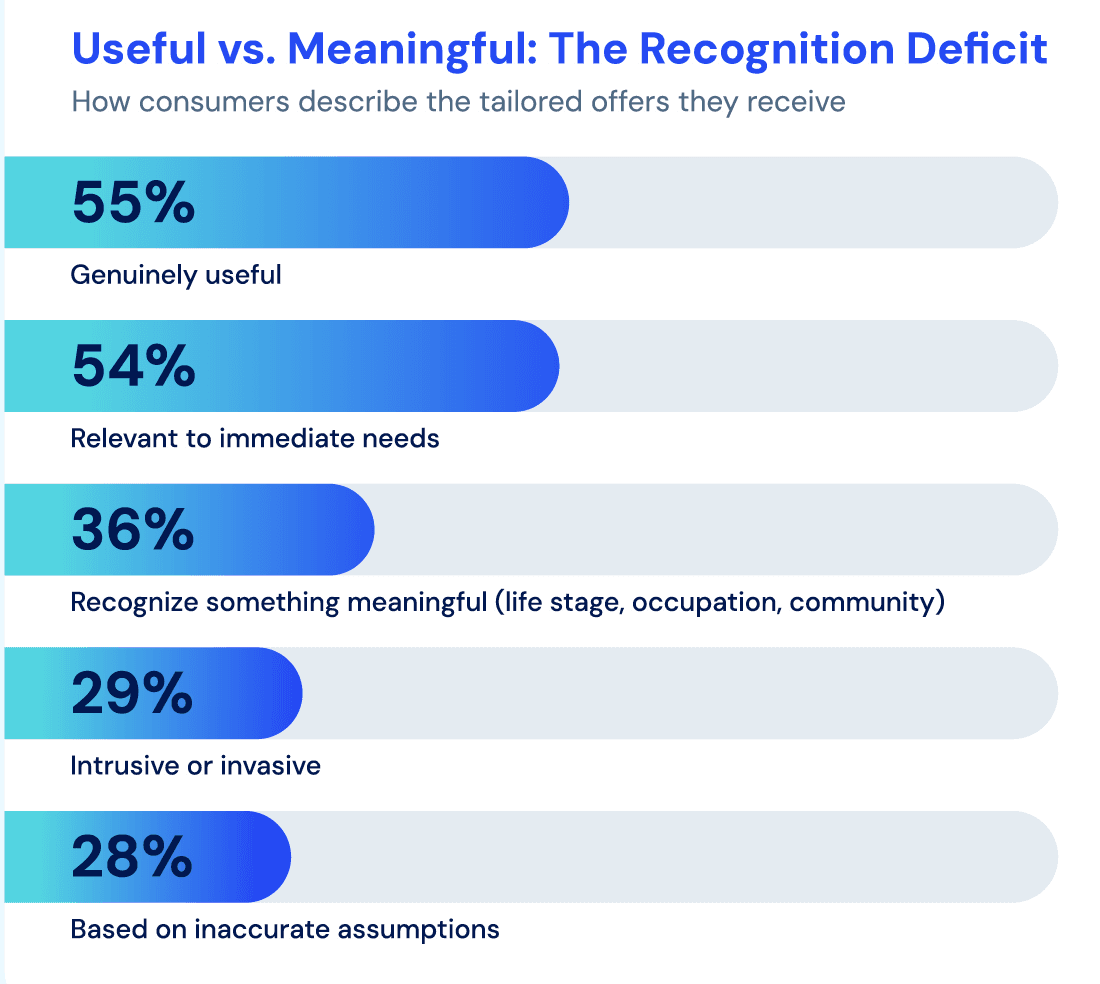
Personalization's Identity Crisis: Beyond Transactional Offers
Brands struggle to move past behavioral data to truly recognize customers, risking alienation as consumers demand more than just tailored offers.
Ad Tech
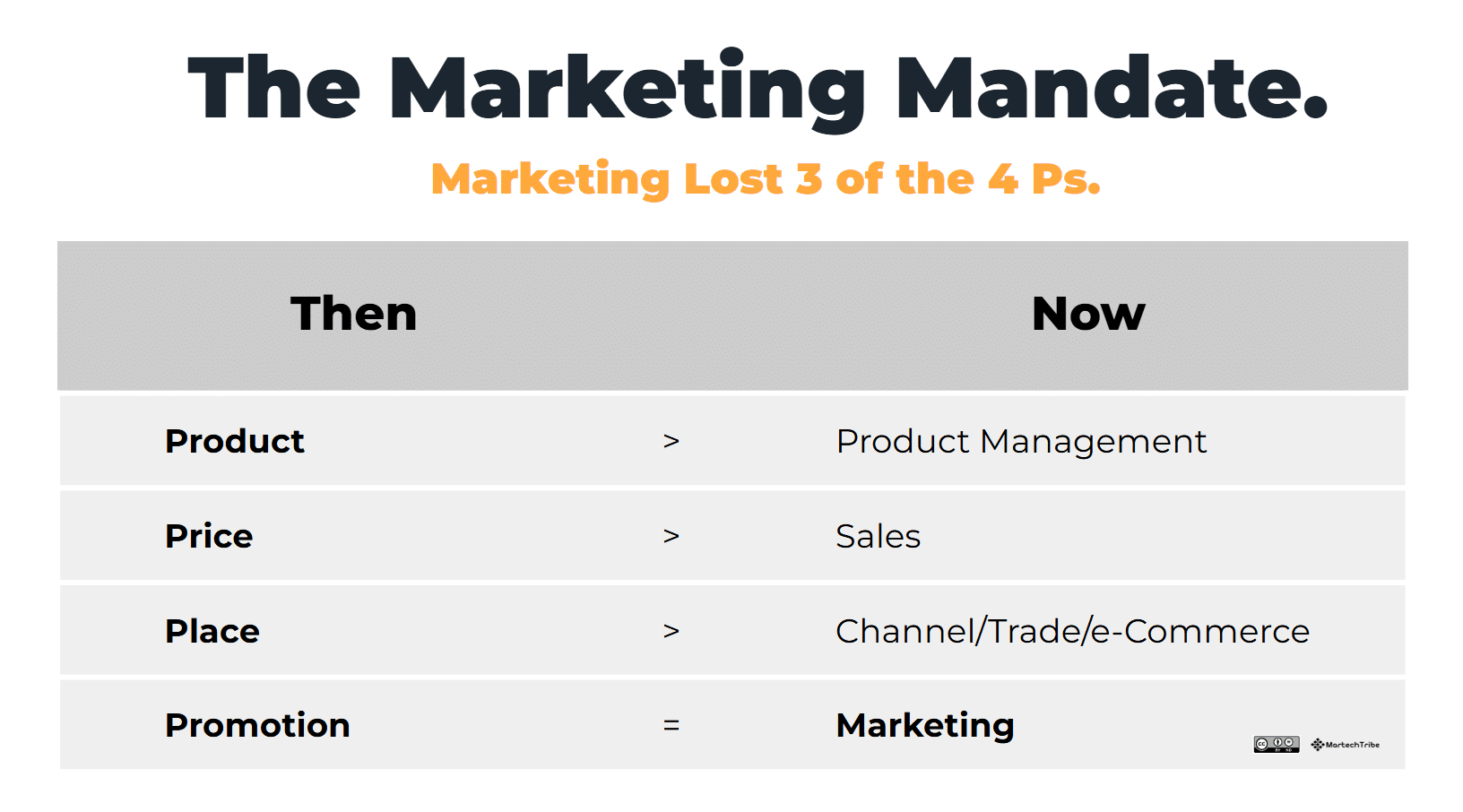
Marketing's Profit Gap: From Dashboards to Boardroom Impact
Marketing dashboards excel at campaign metrics, but linking customer behavior to profit and growth remains a strategic challenge for CMOs.

Ad Tech
AI Drives Discovery, Human Reviews Seal Purchase
New research shows algorithms surface products, but social proof from peers remains the ultimate conversion driver. Marketers must balance AI reach with authentic user-generated content strategies.