Ad Tech|Index 05
Integrated Adtech Platforms Consolidate Media Buying and Intelligence
As digital advertising fragments across channels and data silos, platforms are consolidating supply, demand, and data intelligence to offer marketers a single operating picture.
- Via
- ADVERTISE TOKYO Editors
- Dateline
- TOKYO, October 21, 2026
- Date
- October 21, 2026
- Time
- 6 min read
Source
Digiday
Tagline
Integrated adtech platforms consolidate media buying and data.
Who & For What
For a Tokyo-based media planner or ad operations specialist managing multi-channel campaigns, this trend signals a shift towards more unified platforms for optimizing spend and audience reach across fragmented digital inventory.
vs. Japan Play
This trend competes with the traditional Japanese model of specialized agency trading desks and separate platform vendors, pushing towards a more consolidated approach that some domestic players like CyberAgent are starting to emulate with their in-house tech stacks.
Tokyo Take
While global platforms drive this convergence, Japan's unique media landscape, particularly the dominance of LINE and Yahoo! JAPAN, means true cross-platform unification remains a domestic challenge, often requiring bespoke integrations rather than off-the-shelf solutions.
In a landscape increasingly fractured by new channels, device proliferation, and disparate data sources, major adtech platforms are accelerating efforts to unify supply-side (SSP) and demand-side (DSP) capabilities with advanced data intelligence layers. This strategic convergence, evident across the industry, aims to streamline media buying and optimize campaign performance by offering a more holistic view of the customer journey. The shift is a direct response to the operational complexities and inefficiencies that have characterized digital advertising in recent years.
The promise of this integration lies in its potential to combat fragmentation, which often leads to diluted budgets, inconsistent messaging, and incomplete attribution models. By bringing together inventory access, bidding algorithms, and first-party data insights under one roof, these consolidated platforms seek to enhance targeting precision and enable more agile, real-time campaign adjustments. Marketers gain the ability to activate audiences consistently across various touchpoints, from CTV to mobile apps, leveraging a unified identity graph rather than managing multiple, siloed data sets.
The operational mechanism involves a deeper technical integration than previous generations of programmatic tools. Instead of merely connecting a DSP to various SSPs, these platforms are building proprietary data clean rooms and identity resolution services directly into their core offerings. This allows for real-time audience segmentation, predictive analytics powered by machine learning, and automated creative optimization that can adapt to changing market conditions. The goal is to move beyond simple bid-matching to intelligent, cross-channel budget allocation based on predicted outcomes.
This trend signals a maturation of the programmatic ecosystem, moving away from the "stack" approach where advertisers pieced together multiple specialist vendors. Industry leaders like Google with its Google Marketing Platform (DV360 and Ad Manager) and Amazon with Amazon Ads (including Amazon DSP and Publisher Services) have long pursued forms of vertical integration. More recently, platforms like The Trade Desk, through initiatives such as OpenPath, have also emphasized direct connections to publishers and enhanced data collaboration, reflecting a broader industry recognition that tighter integration yields better results.
What comes next involves a re-evaluation of agency trading desk models and a heightened focus on first-party data strategies. As platforms offer more embedded intelligence, the role of human optimizers shifts from manual adjustments to strategic oversight and data interpretation. The challenge remains in achieving true interoperability across different walled gardens and ensuring robust privacy protections as data flows more freely within these unified environments. The ambition is a future where advertising is less about ad placements and more about seamless, relevant consumer interactions.
Looking beyond Earth, this drive for unification takes on a hypothetical, yet compelling, dimension. Imagine a future where humanity has colonized multiple planets, each with its own nascent media ecosystems, distinct cultural nuances, and varying technological infrastructures. The fragmentation of an "off-world" advertising landscape would be extreme, with distinct supply chains for attention, diverse consumer behaviors across different gravities, and potentially unique identity challenges. The need for a truly unified, intelligent system to bridge these interplanetary divides, optimizing resource allocation and messaging across vast cosmic distances, would become paramount.
"The ability to connect disparate data points and activate them across a unified supply chain is no longer a luxury, but a fundamental requirement for effective marketing."
Related Stories

Ad Tech
Omnicom's Data Integration Nears Completion, Showing Early Returns
The agency holding company's push to unify internal data and media platforms is yielding measurable improvements in campaign performance and efficiency, setting a precedent for global operations.

Ad Tech
Salesforce acquires Braze, aiming for integrated customer activation
The $5.7 billion deal could bridge data and real-time engagement, but integration complexity remains a core challenge for marketers.
Ad Tech
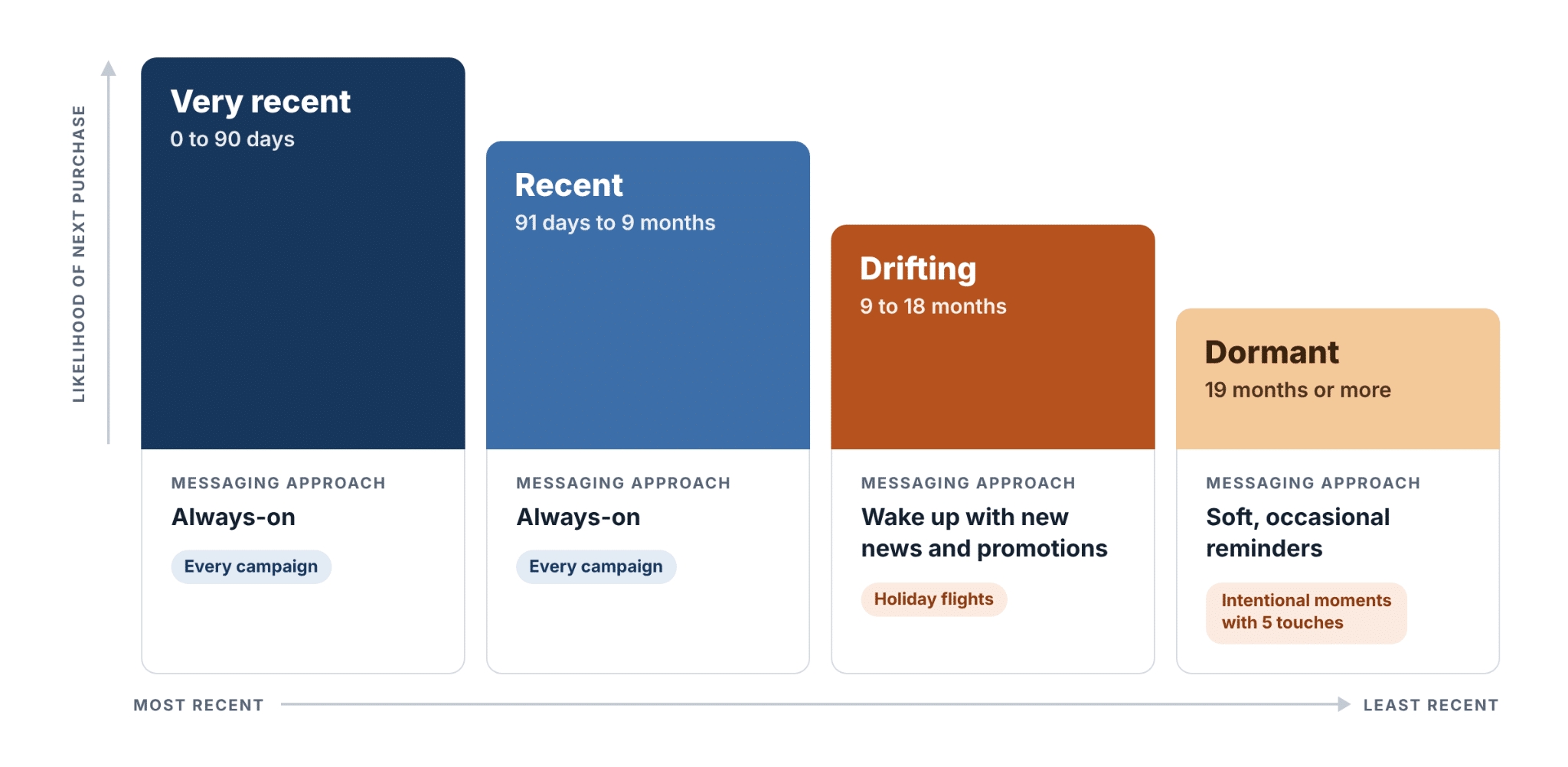
Recency-Based CRM Segmentation for Holiday Repeat Purchases
MarTech.org outlines a fundamental CRM strategy: segmenting customers by purchase recency to drive repeat purchases during holiday seasons, coordinating outreach across email and paid media channels for optimal resource allocation.