Ad Tech|Index 05
Social Media Followings Are Rented Audiences, Not Owned Assets
Marketers must shift from chasing platform engagement to building direct, first-party customer relationships.
- Via
- ADVERTISE TOKYO Editors
- Dateline
- TOKYO, October 12, 2026
- Date
- October 12, 2026
- Time
- 6 min read
Source
MarTech.org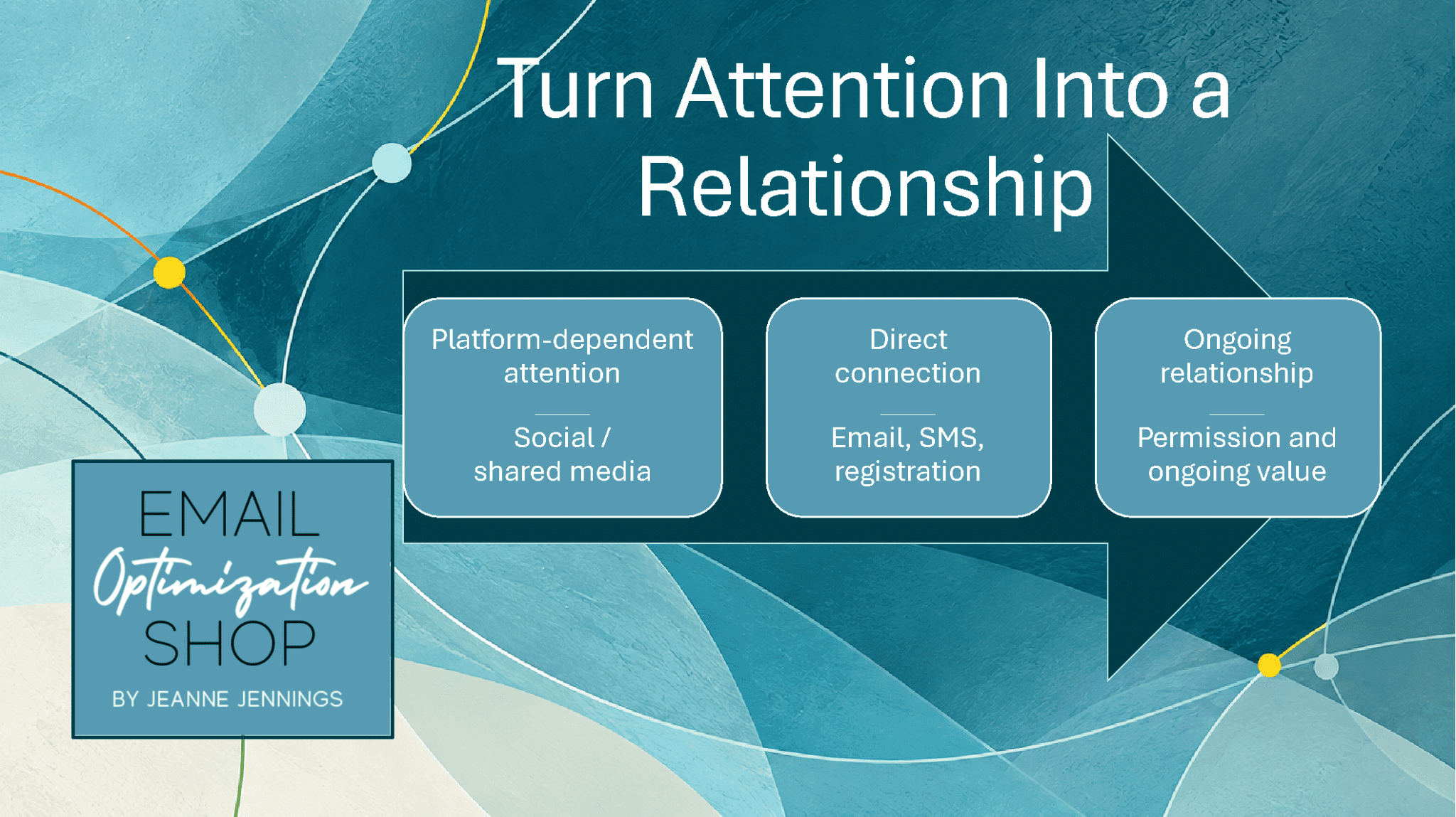
Tagline
Social media followers are rented. Own your audience data.
Who & For What
For brand managers and performance marketers focused on long-term customer value, seeking to convert ephemeral social engagement into durable first-party data assets.
vs. Japan Play
This challenges the common Japanese playbook of heavy paid social media spend on platforms like LINE and TikTok, advocating instead for direct CRM and CDP investment, similar to how Mercari builds its C2C user base via app engagement.
Tokyo Take
Tokyo marketers often prioritize reach on LINE or TikTok. This piece argues that true value lies in converting those impressions into owned data, a strategy still nascent for many traditional Japanese brands outside of D2C or EC players.
The premise that a large social media following translates directly into a durable brand asset is being re-evaluated by forward-thinking marketers. Platforms like Meta, TikTok, and X control reach and audience access, rendering follower counts more indicative of rented attention than owned customer relationships. This fundamental dynamic means brands are constantly paying to re-engage an audience they believe they already possess, often through increasingly expensive paid media campaigns. The value proposition of organic reach has significantly diminished over time, forcing brands into a continuous bidding cycle for visibility and engagement within walled gardens.
This re-evaluation signals a strategic shift away from vanity metrics—such as likes, shares, and follower growth—towards tangible first-party data collection and direct customer engagement. The core goal is to convert fleeting social media attention into direct, permission-based customer relationships, enabling brands to communicate and market without constant reliance on platform intermediaries. This necessitates substantial investment in owned channels—robust email lists, personalized loyalty programs, dedicated brand apps, and sophisticated customer data platforms (CDPs)—that secure direct lines of communication and consolidate comprehensive customer insights across touchpoints.
"Every new piece of content shouldn't mean starting from zero."
The common playbook of optimizing for platform-specific engagement metrics often misses the fundamental point: these numbers reflect activity within a platform's ecosystem, not necessarily a customer's enduring loyalty or propensity to purchase from the brand itself. When platform algorithms change, or when a competitor outbids for ad space, that perceived "asset" diminishes rapidly, often without warning. The real, enduring value for a brand lies in the ability to reach a customer directly, understand their preferences through consented first-party data, and foster a relationship independent of any single media channel or platform's whims. This perspective demands a pivot from short-term campaign thinking to a long-term strategy of audience cultivation.
This perspective implies a significant reallocation of marketing budgets and strategic focus. Rather than continually funding paid social campaigns primarily to reach existing followers—a common but often inefficient practice—marketers should prioritize strategies that actively migrate these followers onto owned databases. This includes offering clear value exchanges, such as exclusive content, personalized discounts, early product access, or community membership, in exchange for email addresses, app downloads, or direct CRM opt-ins. The strategic emphasis shifts from short-term, campaign-specific KPIs to building long-term customer lifetime value and reducing dependency on third-party platforms.
Implementing such a shift, however, is not without its challenges. It requires cross-functional alignment within an organization, bridging the gap between social media teams focused on content and engagement, and CRM or data teams responsible for customer lifecycle management. It also demands a sophisticated understanding of data governance and privacy regulations, ensuring that the collection and use of first-party data are transparent and compliant. The initial investment in technology and process re-engineering can be substantial, but the long-term returns in customer loyalty and reduced media dependency can outweigh these upfront costs.
The underlying principle of this shift is not entirely new; it echoes direct marketing principles from decades past, now amplified by the privacy-first internet, the deprecation of third-party cookies, and the increasing cost of platform-dependent reach. It is a pragmatic, data-driven response to the commercial reality that social platforms are not designed to serve brands' long-term data ownership needs. Instead, their business models inherently incentivize brands to continue paying for access to an audience that, from a platform perspective, remains theirs to monetize. This strategic pivot is about regaining control and building a more resilient marketing foundation.
Related Stories

Ad Tech
Omnicom's Data Integration Nears Completion, Showing Early Returns
The agency holding company's push to unify internal data and media platforms is yielding measurable improvements in campaign performance and efficiency, setting a precedent for global operations.

Ad Tech
Integrated Adtech Platforms Consolidate Media Buying and Intelligence
As digital advertising fragments across channels and data silos, platforms are consolidating supply, demand, and data intelligence to offer marketers a single operating picture.

Ad Tech
Salesforce acquires Braze, aiming for integrated customer activation
The $5.7 billion deal could bridge data and real-time engagement, but integration complexity remains a core challenge for marketers.